One of the Best IVF Doctor in India
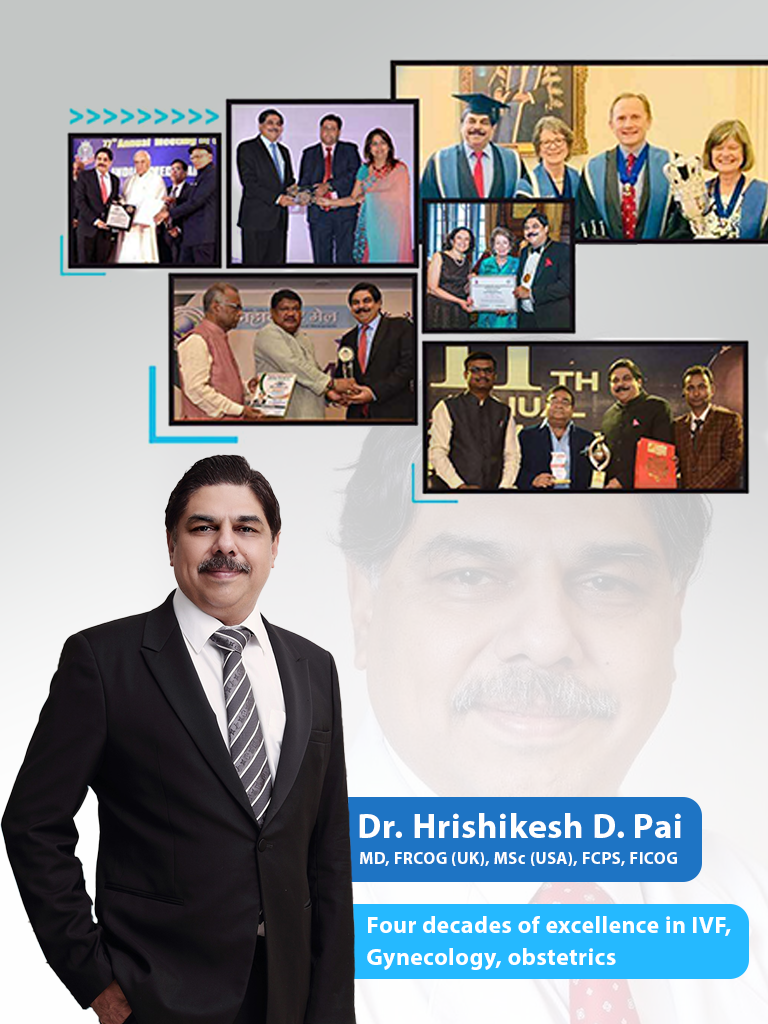
Dr. Hrishikesh Pai is a IVF doctor based in Mumbai, India. He has vast experience of 40+ years with thousands of cases performed.

Your parenthood journey begins here – reach out to get started
About Dr. Hrishikesh Pai
Dr. Hrishikesh Pai is one of the best IVF doctors in India. He has vast experience of 40+ years with thousands of cases performed in the fields of Obstetrics, Gynecology & Infertility. He has been practicing as an IVF specialist, Gynecologist, and Obstetrician.
He is the Founder and Director of the Bloom IVF Group which has eight IVF centres all over India. Dr. Pai is also associated with Lilavati Hospital at Mumbai, DY Patil Hospital at Navi Mumbai and Fortis Hospitals at New Delhi, Gurgaon and Mohali Chandigarh.Read more
“Empowering Parenthood
Through Personalized IVF Care.”

Committed to creating life – join us in shaping your parenthood story through IVF
Dr. Hrishikesh Pai's Interview on BBC World Service on Egg Freezing
Dr. Hrishikesh Pai shares his views on egg freezing as it is a relatively new concept in India. As egg freezing gains attention, it is offering women more control over their reproductive choices and family planning options.
Bloom IVF Group adopts Life Whisperer AI for all clinics

Bloom IVF Group has started using Artificial Intelligence (AI) technology across its clinics, helping patients get pregnant faster and affordably. The group has its clinics in Delhi, Faridabad, Gurugram, Indore, Kolkata, Lucknow, Mumbai, Nagpur, and Navi Mumbai.

BLOOM IVF: Where AI and IVF come together for babies.
What is AI embryo selection?
In the case of embryo selection, AI reduces the subjectivity associated with the embryo selection process by providing an accurate and reliable interpretation of embryo development status, embryo morphology, and potentially predicting embryo viability.
What is the AI embryo score?
The artificial intelligence score is presented on a scale of 0.0 to 10.0, with 10.0 representing the highest likelihood of clinical pregnancy (highest confidence that the embryo is viable) and 0.0 representing the least likelihood of clinical pregnancy (highest confidence that the embryo is not viable).

Every family’s journey is unique – start yours now with our personalized IVF guidance.
Explore Our Advanced Treatment Options
Cryopreservation

The cryopreservation technique is useful in freezing and thawing the eggs, sperms, or embryos utilized in the IVF or ICSI cycle. Also, we can use the cryopreserved sperms in the IUI fertility technique. The cryopreservation technique is useful in freezing and thawing the eggs, sperms, or embryos utilized in the IVF or ICSI cycle. Also, we can use the cryopreserved sperms in the IUI fertility technique.
Ovarian Rejuvenation

Ovarian rejuvenation is a relatively recent procedure used in ART to treat ageing ovaries. It revitalizes (reactivates the egg maturation process) and brings hope to many women experiencing early menopause. In this method, platelet-rich plasma (PRP) is used. Platelets are known to stimulate healing and attract stem cells to the surrounding area, which can help with egg production.
Fertility Preservation

Fertility preservation plays a vital role in improving the quality of life of cancer survivors. Modern cancer treatments such as chemotherapy and radiation effectively destroy cancer cells, but they can also damage the ovaries and testicles, leading to infertility. Fertility preservations through advanced Assisted Reproductive Technology (ART) can increase their chances of future pregnancy.
Female Infertility

Infertility means the inability to conceive or carry a pregnancy to term after 12 months of trying to conceive. Dr. Hrishikesh Pai, one of the most sought-after fertility specialists in India, successfully provides treatment of female infertility to thousands of patients and helps them realize their dream of becoming parents.
Azoospermia Treatment

Azoospermia means a complete absence of sperms in the semen. Azoospermia affects nearly 3% of males. It is a severe problem that may cause a loss of self esteem due to the failure to impregnate a woman.
Male Infertility

Male infertility is any health issue in men that refers to a male’s inability to cause pregnancy in a fertile female. Male infertility is the result of low sperm production, abnormal sperm function or blockages that prevent the delivery of sperm. Bloom IVF has performed more than 300 IMSI cycles. Through these advanced reproductive technologies and other infertility diagnosis methods, we have provided positive results.
Dr. Hrishikesh Pai's Expertise Areas

IVF

IUI

ICSI

IMSI

FET

People Recommend Us
Why Choose Us?
We provide individualized care and attention for every client during their journey to parenthood. We offer comprehensive testing to determine the causes of male and female infertility, and we specialize in IUI and in IVF.
Recent Blogs

Natural Frozen Embryo Transfer
Embarking on the journey of assisted reproduction brings with it a plethora of choices, one of...

Thick endometrium after miscarriage
A miscarriage is devastating and emotionally challenging for anyone. Following a miscarriage many...

Artificial Intelligence To Select The Best Oocyte And Embryos
Many couples struggle with infertility. It’s an emotional rollercoaster full of hope and worry....
News & Media Publications

January 2024

December 2023

November 2023

August 2023
April 2023

January 2023

April 2022

March 2022
Every family’s journey is unique – start yours now with our personalized IVF guidance.
Events
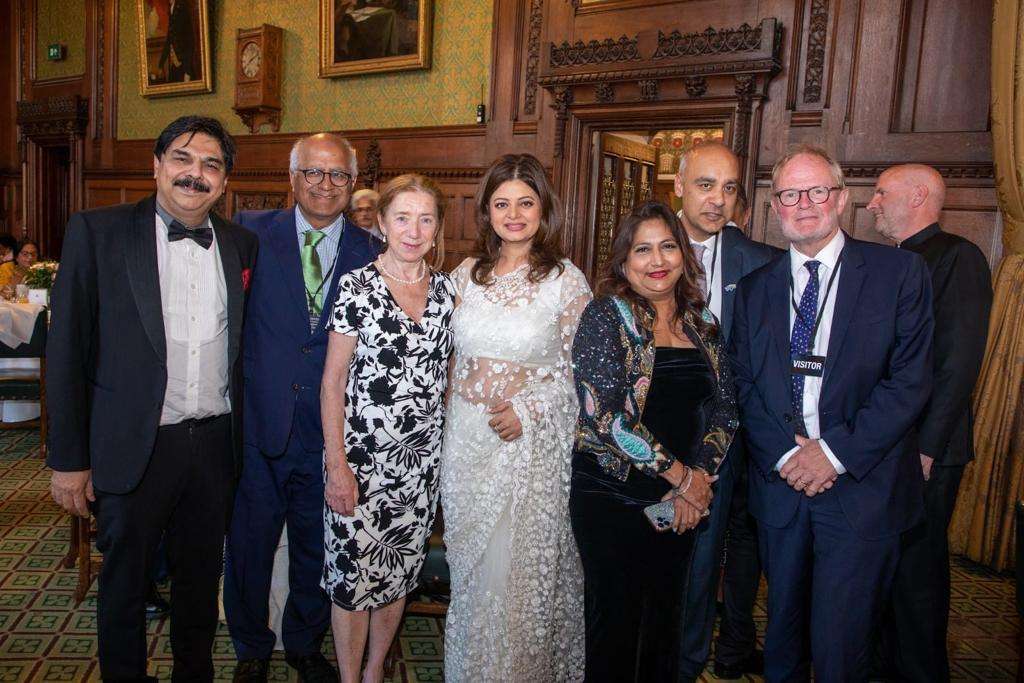

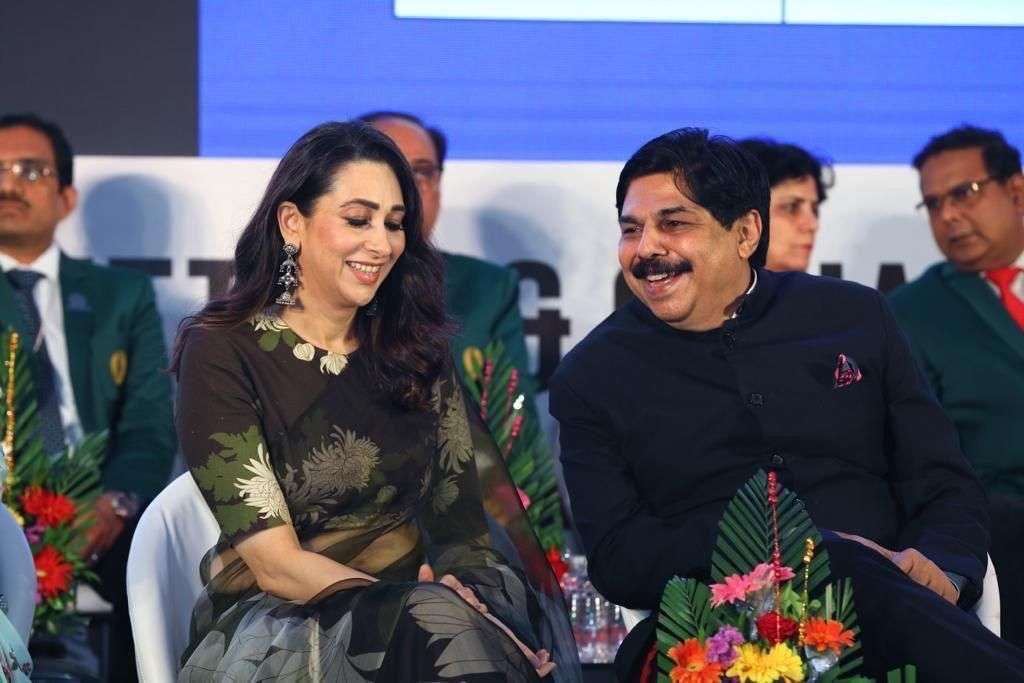
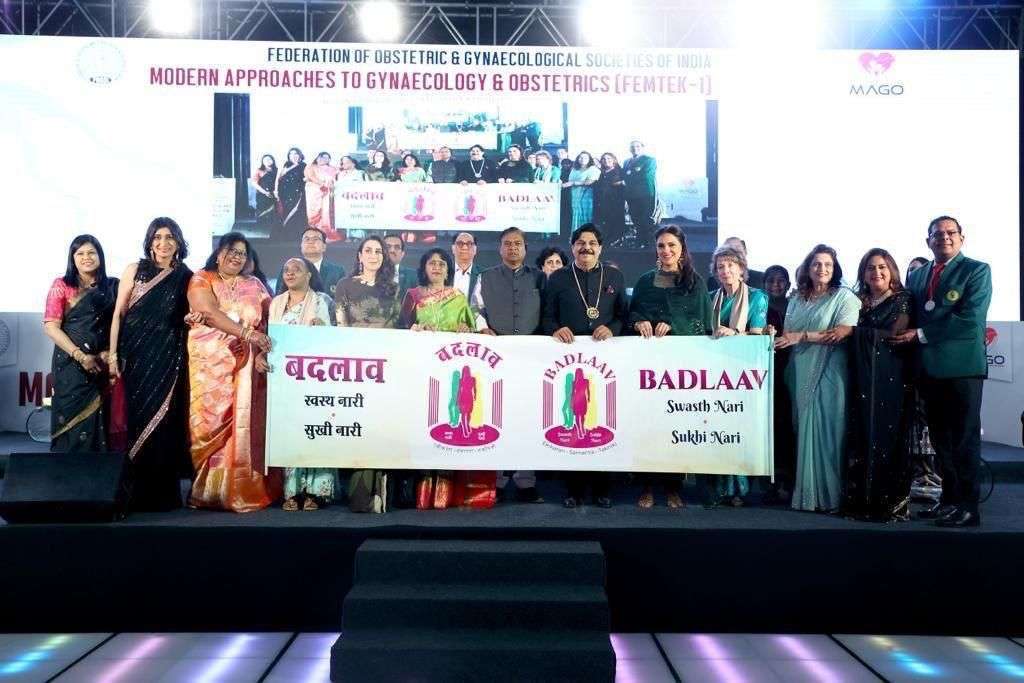
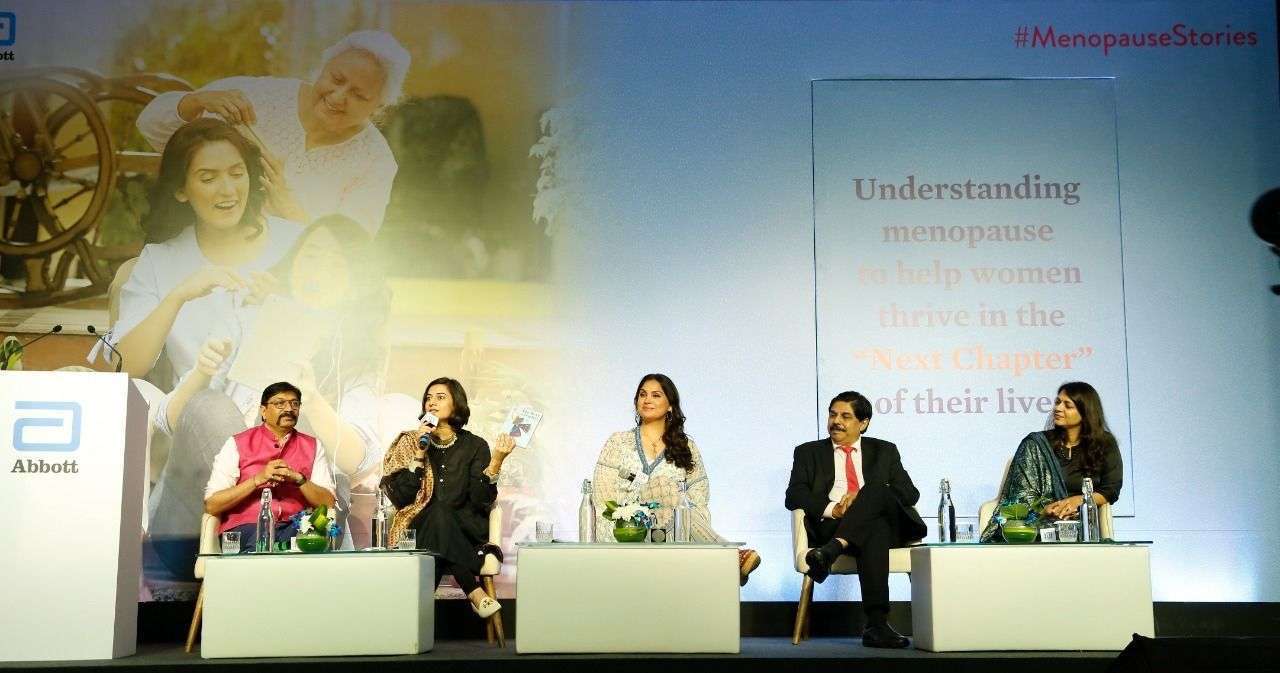
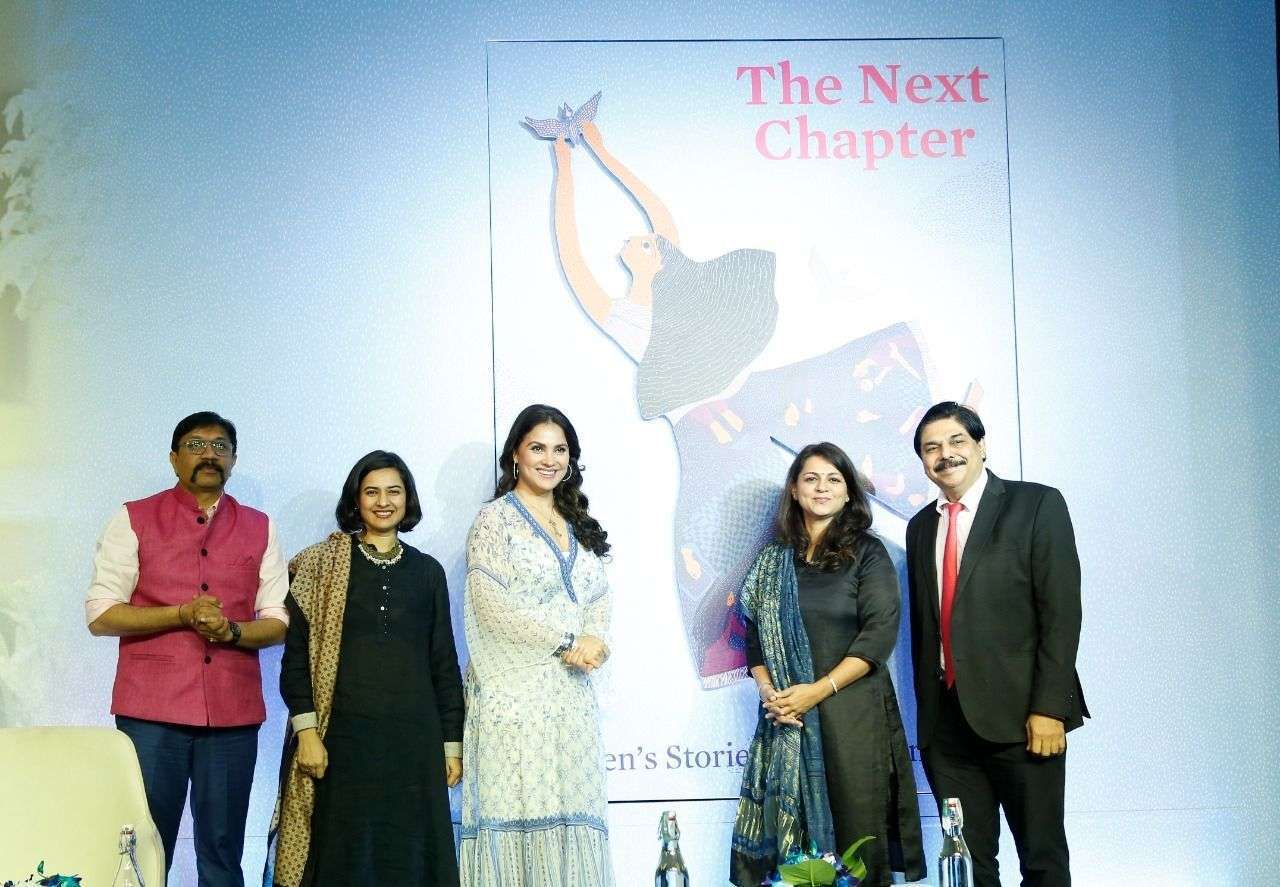
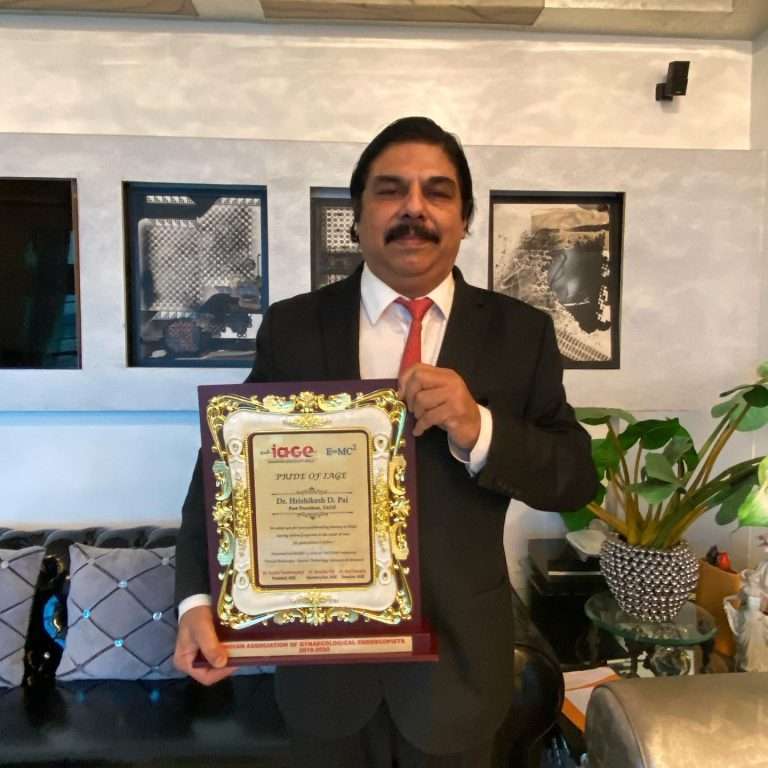

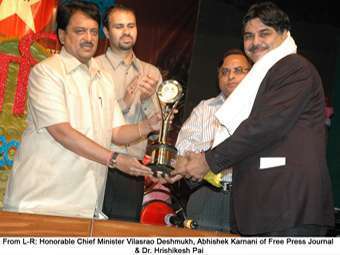
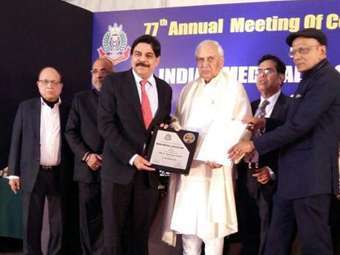
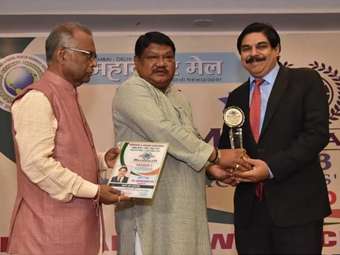
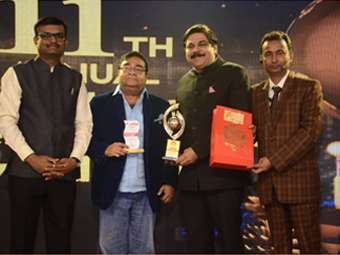

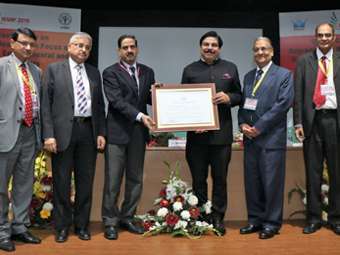
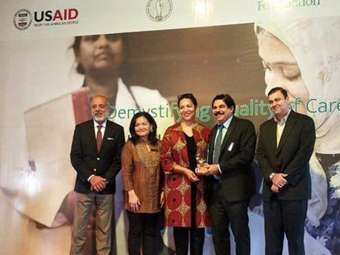
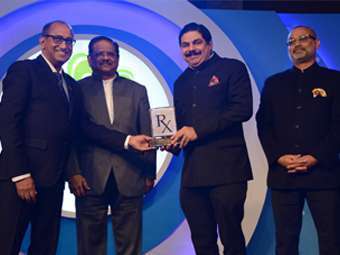
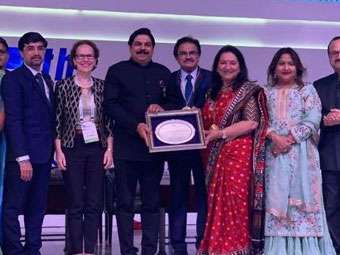
Experience the joy of family with our IVF expertise
Bloom IVF Clinics India
- Bloom IVF Clinic
- IVF Success Rates
- Our team of fertility physicians in India
- IVF Workshops
Testimonials


Bloom IVF Centre in India

LILAVATI HOSPITAL, MUMBAI
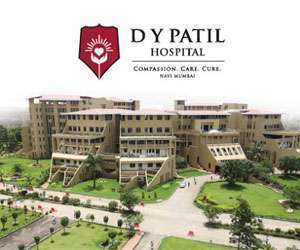
DY PATIL, NAVI MUMBAI
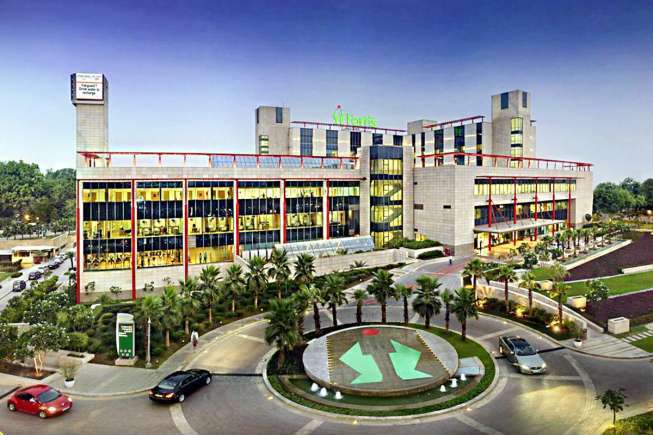
FORTIS, GURGAON
FORTIS, CHANDIGARH MOHALI

FORTIS, DELHI

FORTIS, FARIDABAD
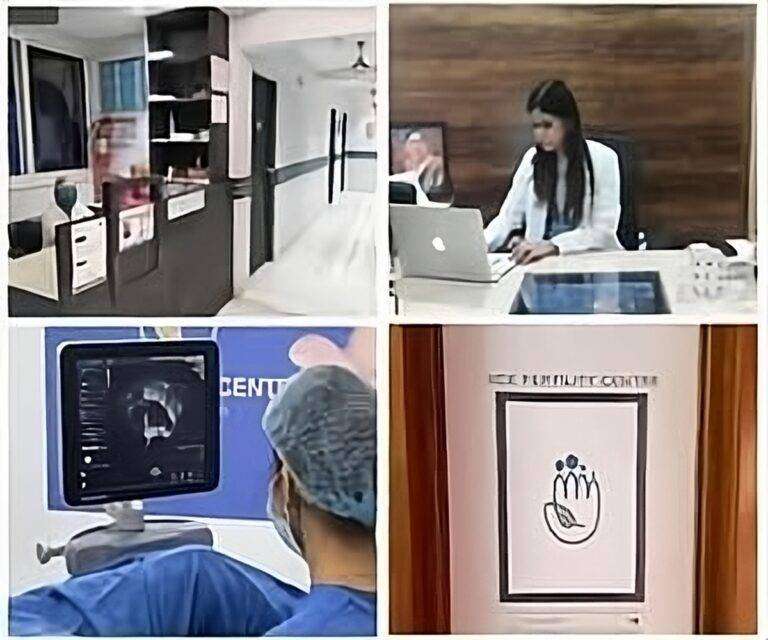
ACE FERTILITY CENTRE, NAGPUR

ACE FERTILITY CENTRE, NAGPUR