
A second embryo transfer often follows an IVF cycle that didn’t lead to pregnancy. It really requires a careful reassessment, not just repeating what’s already been done.
We approach this stage by reviewing clinical data, your treatment response, and embryo quality. That way, the next steps are clearer and more tailored to you.
In IVF Mumbai, patients commonly seek experienced guidance to fine-tune their treatment plan after an initial attempt. At Bloom IVF, we focus on evidence-based decisions—looking at endometrial receptivity, timing, and lab conditions within a trusted IVF centre in Mumbai.
Dr. Hrishikesh Pai, a senior IVF doctor in Mumbai, plays a central role in shaping strategies for second embryo transfers. Through the Bloom IVF Group, we blend clinical experience with standardised protocols, so care is consistent but still personalised where it counts.
We see a second transfer as a chance to optimise outcomes, not just increase intervention. Our teams offering IVF in Mumbai focus on precise planning, honest communication, and setting realistic expectations from the start.
Key areas reviewed before a second embryo transfer include:
By aligning clinical insight with structured IVF practice, we aim to support you with professionalism and transparency at every step.
Book your consultation today to discuss your second embryo transfer with Dr. Hrishikesh Pai and explore a personalized IVF approach.
What To Expect In The Second Embryo Transfer
We approach a second embryo transfer with more clinical insight than the first. Your earlier IVF treatment shows us how your body responded—stimulation, embryo development, implantation conditions. We use this to refine decisions in in vitro fertilisation.
Medication protocols often shift for the second cycle. Hormone doses might change, trigger injection timing may be tweaked, or a frozen embryo transfer could be suggested. The goal is to support the uterine lining and better synchronise it with the embryo.
Embryo selection usually becomes more targeted. Our embryology lab reviews embryo quality, development rate, and if needed, genetic test results. This lets us prioritise embryos with stronger implantation potential.
You can expect closer monitoring before transfer. We track hormone levels and endometrial thickness through blood tests and ultrasound scans. If we spot issues like a thin lining or hormonal imbalance, we address them before moving ahead.
The transfer itself is still simple and usually painless. It takes just a few minutes, no anaesthesia needed, and most people go back to daily activities the same day.
After transfer, we provide clear guidance on medications, activity, and follow-up testing. Emotional readiness matters, too, and we encourage open conversation so we can support you through this stage.
What Is The Success Rate Of The Second Embryo Transfer?
We often see improved IVF success rates with a second embryo transfer compared to the first. Clinical data shows live birth rates of around 45–50% for second transfers, while first transfers usually range from 40–42%. Of course, these numbers vary by age, embryo quality, and treatment approach.
A second transfer benefits from everything we learned during the first cycle. We refine medication, adjust timing, and select embryos with more precision. These tweaks can improve implantation without raising risk.
Age is still one of the strongest predictors of success. Younger patients tend to see higher outcomes, while success drops a bit with age. Embryo quality and uterine receptivity are still front and centre.
Estimated live birth rates per embryo transfer by age:
| Age Group | Second Transfer Success Rate |
| Under 35 | 45–55% |
| 35–37 | 38–45% |
| 38–40 | 25–35% |
| Over 40 | 10–20% |
Frozen embryo transfers often match or slightly outperform fresh transfers in second attempts. This lets the uterus recover fully and supports more controlled preparation.
We also consider preimplantation genetic testing when it makes sense. Transferring a chromosomally normal embryo can improve implantation and reduce miscarriage risk, especially after a failed first try.
Every second embryo transfer is a personalised decision. We assess your prior response, embryo availability, and overall health to set realistic expectations and a tailored plan.
Factors Influencing Second Embryo Transfer
We base a second embryo transfer on a detailed fertility evaluation of your first cycle. This review helps us adjust medication, timing, and transfer approach within your broader fertility plan. Even small tweaks can improve implantation.
Embryo quality and handling are key. When embryos come from embryo freezing or cryopreservation, survival after thaw and developmental stage matter a lot. Thanks to advances in the lab, frozen transfers are now a reliable option—especially for patients who opted for fertility preservation or egg freezing.
Uterine health also directly impacts results. We assess the endometrial lining, cavity shape, and blood flow, and address issues like fibroids or polyps. Fixing these before transfer can make a real difference.
Age and egg factors influence success rates, too. Egg quality tends to decline with age, which might affect embryo development, even in a second go. In some cases, prior egg freezing gives more options without repeating stimulation.
Male factors play a role as well. Male infertility treatment can improve sperm quality through medical therapy or advanced lab selection, supporting healthier embryo development in later transfers.
Lifestyle and recovery time matter more than you might think. We usually recommend spacing cycles, managing stress, and making practical changes that support hormonal balance. The aim is always a safe, personalised approach based on evidence and your needs.
Difference Between First And Second Embryo Transfer
We often approach a first embryo transfer with limited data from your specific cycle. Decisions are based on age, embryo grading, and general history. Most first transfers use fresh or frozen embryos, but there’s not much feedback yet.
A second embryo transfer benefits from what we learned during the first. We review how implantation went, how the endometrium responded, and how you tolerated medication. This info lets us fine-tune the plan.
Embryo selection often changes as well. The first transfer might rely on standard morphology grading, but the second more often uses PGT (preimplantation genetic testing) when available. PGT helps us prioritise chromosomally normal embryos, especially if the first cycle failed.
Laboratory strategies can shift, too. We might extend embryos to blastocyst culture in the second attempt for better synchrony with the uterus. Sometimes, laser assisted hatching helps the embryo implant by easing its exit from the shell.
Here’s a quick comparison:
| Aspect | First Embryo Transfer | Second Embryo Transfer |
| Clinical insight | Limited cycle data | Informed by prior response |
| Embryo strategy | Standard selection | Refined, often with PGT |
| Lab techniques | Routine protocols | Tailored enhancements |
| Endometrial prep | Standard approach | Adjusted for optimisation |
We treat each transfer as a new opportunity. The second embryo transfer lets us personalise care with more precision and confidence.
How To Prepare For Second Embryo Transfer
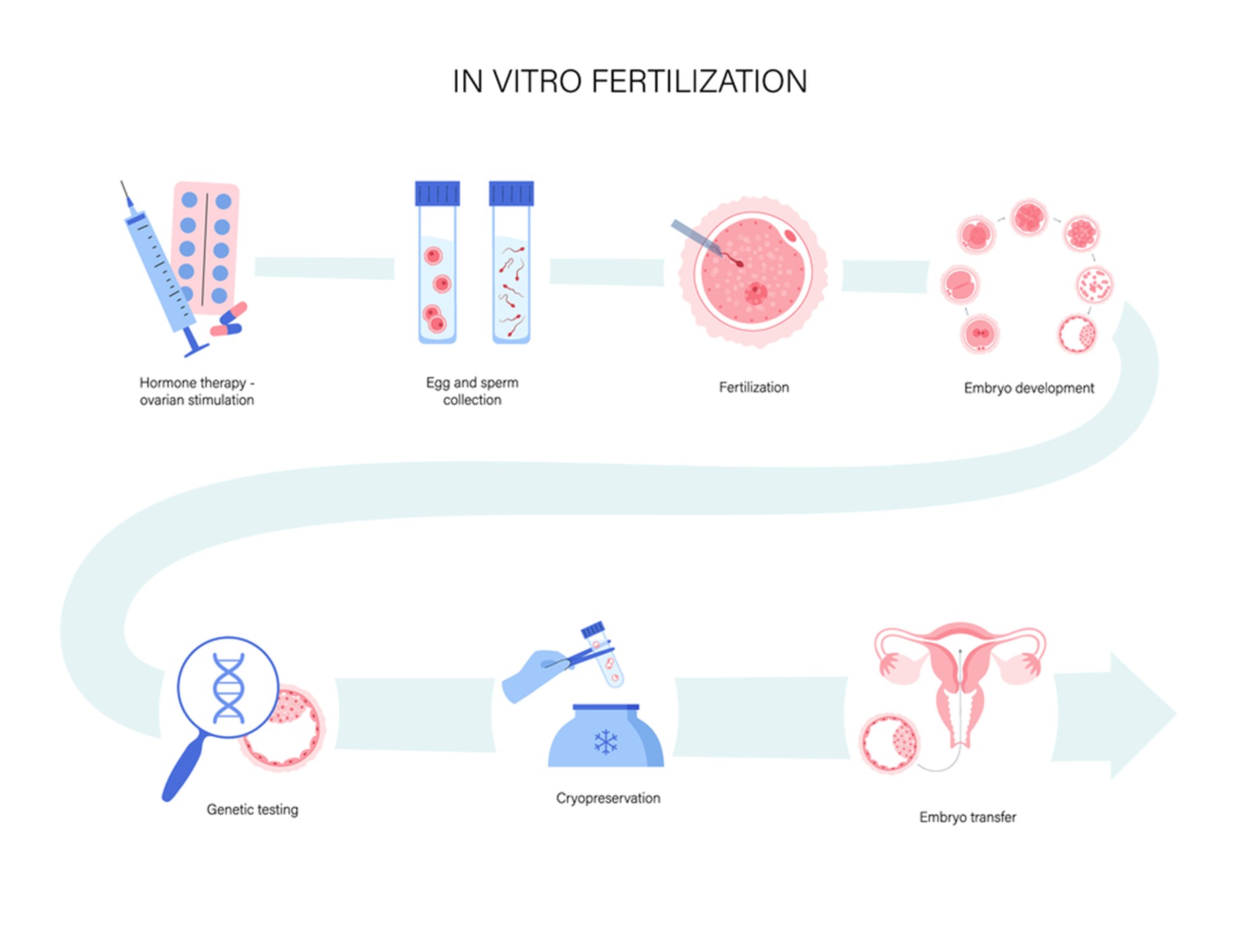
We start by reviewing the outcome of your previous cycle and spotting any factors that might influence the second attempt. This usually covers embryo quality, uterine readiness, hormone response, and timing. Careful analysis helps us refine the plan with personalised IVF care.
If you have frozen embryos, we reassess their grading and stage. Many clinics now use AI embryo selection tools, which assign an AI embryo score based on markers linked to implantation. These insights can guide decisions, but clinical judgement still matters most when picking the embryo for transfer.
Physical prep focuses on endometrial health and hormonal balance. We recommend sticking to a stable routine, following medications exactly, and avoiding sudden lifestyle changes. Gentle activity, good sleep, and steady nutrition support treatment stability.
Emotional readiness is important, especially after an unsuccessful transfer. We encourage realistic expectations and stress-management strategies—counselling or structured support can help keep things balanced during the cycle.
Medical prep may involve protocol adjustments based on earlier response. Advanced IVF techniques, like modified hormone regimens or refined transfer timing, can improve synchrony between the embryo and uterus.
Key preparation areas we focus on include:
This structured approach helps ensure your second embryo transfer proceeds with clarity and precision.