
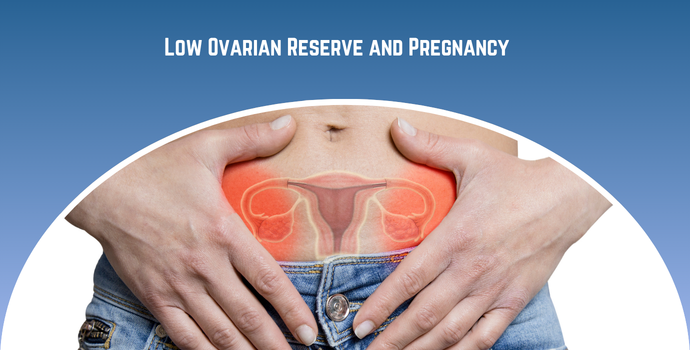
Can You Get Pregnant With Low Ovarian Reserve?
Yes, but the picture is more nuanced than the number suggests. Low ovarian reserve means fewer eggs are left, not that conception is impossible. Egg quality drives outcomes far more than quantity, and quality is primarily determined by age. A 32-year-old with AMH of...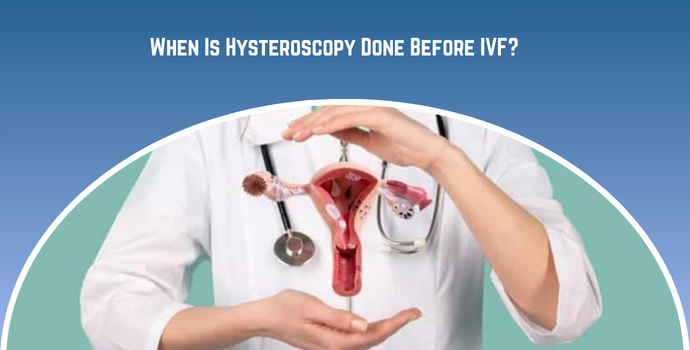
When Is Hysteroscopy Done Before IVF?
Ultrasound misses 14 to 45% of uterine cavity abnormalities that hysteroscopy detects. Polyps, adhesions, fibroids and septa reduce implantation independently of embryo quality. Hysteroscopy is the only investigation that diagnoses and treats these in the same...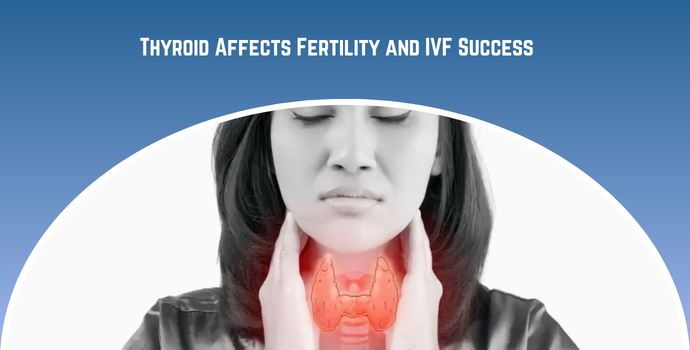
How Does Thyroid Affect Fertility and IVF Success?
Thyroid hormones regulate ovulation, implantation and early pregnancy. When thyroid function is off, even slightly, fertility is affected. Hypothyroidism is the most common thyroid condition in women of reproductive age and frequently goes undetected because the...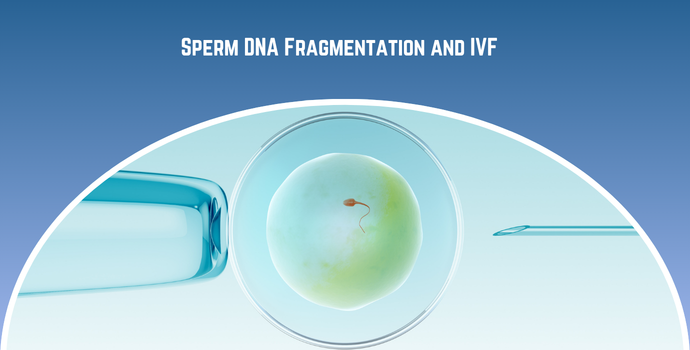
What Is Sperm DNA Fragmentation and How Does It Affect IVF?
A standard semen analysis measures count, motility and morphology. It tells you nothing about the DNA inside the sperm. Fragmentation refers to breaks or damage in the genetic material a sperm carries. A sperm can look completely normal and still carry enough DNA...
Dr. Hrishikesh Pai