
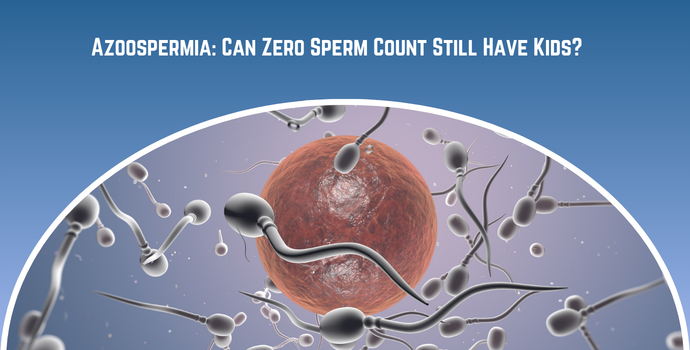
A zero sperm count doesn’t automatically rule out biological fatherhood, because azoospermia comes in two very different forms with very different outlooks. Obstructive azoospermia means sperm production is normal but a blockage stops it from reaching the ejaculate, and sperm can usually be retrieved directly from the reproductive tract. Non-obstructive azoospermia means the testicles themselves produce little or no sperm, which is harder to treat but still leaves surgical retrieval and ICSI as real options for many men.
According to Dr. Hrishikesh Pai, best infertility doctor in India, “Zero sperm in the ejaculate isn’t the same as zero sperm production, and that distinction changes the entire treatment plan.”
What's the Difference Between Obstructive and Non-Obstructive Azoospermia?
The two types come from completely different causes, and that difference decides which retrieval method actually works.
Obstructive Sperm production inside the testicles is normal, but a blockage in the tract, from infection, injury or a birth defect, stops it from reaching the semen.
Non-Obstructive The testicles produce very little sperm to begin with, often from hormonal imbalance, genetic causes or prior chemotherapy, so the search has to happen at the source.
Diagnosis A hormone panel alongside imaging and sometimes a genetic test tells doctors which category a man falls into before any retrieval procedure gets planned.
Retrieval Odds Obstructive cases have a much higher chance of finding usable sperm than non-obstructive ones, though modern microsurgical techniques have improved outcomes even in tougher cases.
Once the type is confirmed, sperm retrieval gets planned around whether the blockage needs bypassing or the testicular tissue itself needs to be searched directly.
How Is Biological Fatherhood Still Possible With Azoospermia?
Even when no sperm shows up in the ejaculate, several surgical and lab-based paths can still lead to a biological pregnancy.
TESA And PESA These needle-based procedures aspirate sperm directly from the testicle or epididymis and work well for men with obstructive azoospermia.
Micro-TESE For non-obstructive cases, a microsurgical search through testicular tissue under magnification finds isolated pockets of sperm production that a blind biopsy would miss.
ICSI Pairing Retrieved sperm counts are often too low for regular fertilization, so ICSI injects a single sperm directly into each egg to get around that.
Freezing Option When enough sperm is retrieved in one session, freezing it means future cycles don’t need a repeat surgical procedure.
The starting point for almost every one of these cases is the same basic test covered in Semen Analysis and Reading the Results?
Why choose Dr. Hrishikesh Pai?
Dr. Hrishikesh Pai is MD, FRCOG (UK-Hon), MSc, FCPS and FICOG, with over 40 years of experience in obstetrics, gynecology and infertility. He’s the Founder and Director of the Bloom IVF Group, which achieved India’s first pregnancy using the Sperm VD freezing technique for men with extremely low retrieved sperm counts.
Men are often told a zero count means no biological option left, and that’s rarely the full picture once retrieval and ICSI are actually considered. The report says zero. That doesn’t mean the answer is no.
Told your semen report shows zero sperm count and not sure what comes next?
Frequently Asked Questions
Can a man with azoospermia still have biological children?
Yes, sperm retrieval combined with ICSI works for many cases.
Is azoospermia always genetic?
No, causes include blockages, infections, hormones and prior chemotherapy.
Is Micro-TESE painful?
It’s done under general anesthesia, so pain during retrieval is minimal.
Can retrieved sperm be frozen for later use?
Yes, freezing avoids repeating the retrieval procedure again.