
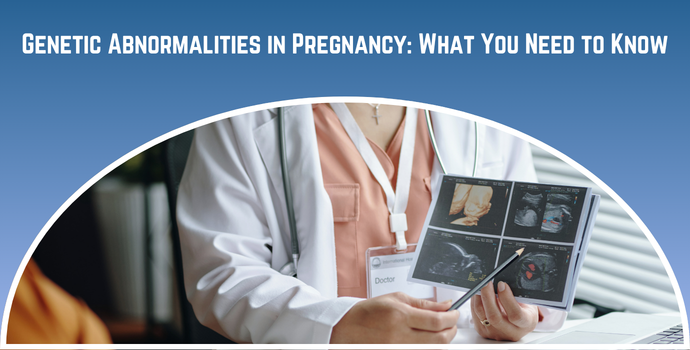

The period of pregnancy brings excitement and transformative experiences, yet it also introduces various unknown factors which expectant mothers and fathers must face. The possibility of genetic abnormalities is one of the worries which some expectant parents need to address. The good news is that while these abnormalities are serious, they are often detectable early, and there are ways to manage and reduce risks.
Dr. Pai has over four decades of experience in fertility treatments, and he’s guided countless couples through their fertility journeys. In this blog, Dr. Pai sheds light on the most common genetic abnormalities, their causes, how to detect them, and how to manage the risks for a healthy pregnancy.
What Are the Most Common Genetic Abnormalities in Pregnancy?
Genetic abnormalities occur when there are changes in the genes or chromosomes during conception, and they can affect the development of the baby. Dr. Hrishikesh Pai explains some of the most common genetic abnormalities that may arise during pregnancy:
Down Syndrome
This condition is caused by an extra chromosome 21. People who have Down Syndrome experience both developmental and intellectual disabilities, yet they can achieve successful life outcomes.
Turner Syndrome
This medical condition which affects females occurs when one of the X chromosomes is missing or incomplete. The condition can lead to developmental delays, fertility problems, and heart defects.
Edward's Syndrome
This condition occurs because an extra chromosome 18 causes severe developmental abnormalities which increase the chances of miscarriage and stillbirth.
Patau Syndrome
The condition results from an extra chromosome 13 which causes severe physical and intellectual disabilities that lead to short life expectancy.
Cystic Fibrosis
This genetic disorder affects both lungs and digestive system functions, while also causing reproductive health problems.
Bucket Brigade:
We need to understand these conditions, yet we must also examine the sources of genetic abnormalities together with their effects on your body.
What Are the Causes and Risks of Genetic Abnormalities in Pregnancy?
Genetic abnormalities can occur for several reasons. Here are some of the primary causes and risk factors:
Chromosomal Errors
Many genetic abnormalities, such as Down Syndrome, arise from chromosomal issues, when there’s an extra or missing chromosome.
Mother's Age
Women over the age of 35 face a higher risk of having a baby with a genetic abnormality. The aging process decreases egg viability in women, which results in challenges during the fertilization process.
Inherited Conditions
Genetic conditions like cystic fibrosis are passed from parents to their children when both parents have the gene mutation.
Environmental Factors
Genetic abnormalities may increase their likelihood when pregnant women experience infections or contact dangerous substances or make certain behavior choices.
Bucket Brigade
The complete paragraph establishes what causes genetic abnormalities, which we will follow by explaining the methods for early detection during pregnancy.
How to Detect Genetic Abnormalities in Pregnancy?
The management of genetic disorders during pregnancy requires early diagnosis for effective control measures. Dr. Pai uses advanced screening techniques to detect potential issues as early as possible. Here are the most common methods:
First Trimester Screening
This screening method uses blood tests and ultrasound examinations to estimate the probability of Down Syndrome and other conditions. The procedure takes place between the 11th and 14th week of the gestation period.
Non-Invasive Prenatal Testing (NIPT)
This blood test analyzes fetal DNA to identify genetic disorders including Down Syndrome with precise results.
Chorionic Villus Sampling (CVS):
The test operates between 10 and 13 weeks when professionals extract a tiny placenta sample for examination purposes.
Amniocentesis
The procedure starts at 15 weeks and continues until 20 weeks during which medical professionals extract amniotic fluid samples to detect chromosomal disorders.
Are you expecting and concerned about genetic abnormalities? Schedule a consultation with a specialist to discuss your options for testing and early detection.
How to Manage and Prevent Genetic Abnormalities in Pregnancy?
While some genetic abnormalities cannot be prevented there are steps you can take to reduce risks and manage the situation effectively.
Healthy Lifestyle
Pregnant women who consume a balanced diet and exercise regularly while refraining from smoking and drinking alcohol will experience reduced chances of developing pregnancy complications.
Prenatal Care
The process of regular prenatal checkups enables healthcare providers to discover potential health problems before they occur which allows them to deliver necessary medical treatment without delay.
Genetic Counseling
People with genetic disorders who have family histories of these conditions should meet with a genetic counselor to learn about their testing options and their associated risks.
Prenatal Vitamins
The intake of folic acid and other vitamins enables women to decrease their chances of developing neural tube defects. Your doctor will suggest other supplements which will help you maintain a healthy pregnancy.
But when should you reach out to your doctor about potential concerns during pregnancy? Here’s what to keep in mind.
When to Contact Your Doctor?
Some symptoms need medical attention during pregnancy because they require doctor consultation. The first case you need to contact your doctor occurs when your periods stop or your menstrual cycles become irregular.
You need to schedule more tests and develop a treatment plan if any prenatal test results show abnormalities. You should visit a doctor to discuss your genetic testing options because you have a family history of genetic conditions. The doctor should be contacted when you experience fatigue and unknown weight changes and skin problems.
Conclusion
While the possibility of genetic abnormalities in pregnancy can be concerning, it’s important to remember that early detection and proper care can significantly improve outcomes. With the right approach, regular checkups, healthy habits, and genetic counseling, you can ensure the best possible care for both you and your baby. If you’re worried about genetic conditions or have a family history, don’t hesitate to consult a specialist for guidance and testing options.
Frequently Asked Questions
1. What is the most common genetic abnormality in pregnancy?
The most common genetic abnormality is Down Syndrome, which occurs due to an extra chromosome 21.
2. Can genetic abnormalities be prevented?
While they cannot always be prevented, adopting a healthy lifestyle and getting regular prenatal care can help reduce risks.
3. How can I detect genetic abnormalities during pregnancy?
Screening tests like the first-trimester screening, NIPT, and diagnostic tests like CVS and amniocentesis can detect genetic abnormalities.
4. When should I contact my doctor?
If you experience missed periods, abnormal test results, or unusual symptoms, it’s important to contact your healthcare provider.