
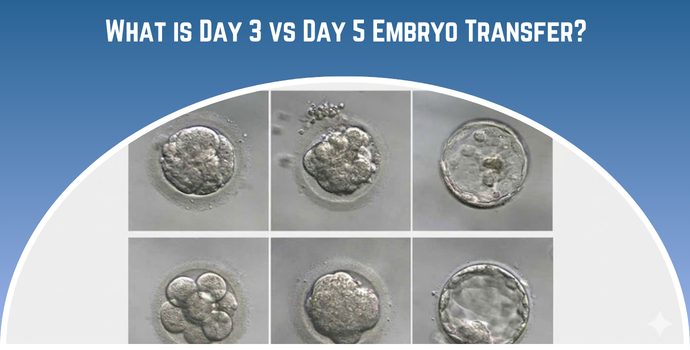
Day 3 embryos are at cleavage stage with 6 to 8 cells while day 5 embryos reach blastocyst stage with approximately 100 cells. Day 5 transfers show 61% clinical pregnancy rate compared to 51% for day 3 with implantation rates of 44% versus 37% respectively. Only one-third of day 3 embryos successfully develop to blastocyst by day 5. Transferring 2 day 3 embryos produces comparable pregnancy rates to 1 day 5 blastocyst but carries approximately 20% twin risk. Day 5 blastocysts allow preimplantation genetic testing which is not possible at cleavage stage.
According to Dr. Hrishikesh Pai, renowned IVF Doctor in India, “Pushing embryos to day 5 is a natural selection process because the ones that survive are almost always the strongest candidates for implantation.”
Why do most clinics prefer day 5 blastocyst transfer?
Clinics prefer day 5 blastocyst transfers because they yield higher pregnancy rates of 61% compared to 51% for day 3 with implantation rates of 44% versus 37%. Blastocyst transfer allows preimplantation genetic testing and reduces multiple pregnancy risk by supporting single embryo transfer protocols.
- Natural Selection: 10 embryos on fertilization day might become 5 by day 3 but only 2 or 3 will make it to blastocyst. The ones that arrest before day 5 are almost always chromosomally abnormal and would not have implanted even if transferred earlier
- Higher Implantation: Day 5 embryos have a 44% implantation rate compared to 37% for day 3 because the blastocyst is at the exact developmental stage the uterus expects to receive during natural conception
- PGT-A Access: You can’t biopsy a day 3 embryo for genetic testing. Trophectoderm biopsy only becomes possible at blastocyst stage and selecting chromosomally normal embryos before transfer eliminates the biggest single cause of implantation failure
- Fewer Transfers Needed: One good blastocyst gives you the same pregnancy rate as two day 3 embryos. That means single embryo transfer becomes the standard and the 20% twin risk that comes with transferring multiple cleavage stage embryos drops to nearly zero
Most advanced IVF labs have shifted to routine blastocyst culture for this reason. More about the full IVF treatment process is covered on the service page.
When is day 3 embryo transfer the better choice?
Day 3 cleavage stage transfer is typically preferred when fewer than 4 embryos are available or when embryos show slow development to avoid the risk of arrest during extended lab culture. It is also recommended for women with advanced maternal age and poor ovarian reserve where preserving every available embryo for transfer takes priority over extended selection.
- Few Embryos: You’ve got 1 or 2 embryos on day 3. Pushing them to day 5 means gambling with your only options. If they arrest in the lab you lose everything. Transferring on day 3 gives those embryos the uterine environment they might need to keep developing
- Older Patients: Women over 40 with poor ovarian reserve often produce fewer embryos per cycle. Day 3 transfer preserves every available embryo for transfer rather than risking attrition during extended culture when blastocyst culture numbers are already low
- Lab Limitations: Not every clinic has the culture systems and expertise to safely grow embryos to day 5. Suboptimal lab conditions can damage embryos that would have been perfectly viable at day 3 and the lab environment matters as much as the embryo itself
- Repeated Failures: Some patients with recurrent implantation failure on day 5 transfers have achieved pregnancy after switching to day 3 or sequential transfer where one embryo goes in on day 3 and another on day 5
The right decision depends on how many embryos you have and what your lab can handle. Understanding what happens after a failed attempt is covered in this guide on second embryo transfer.
Why Choose Dr. Hrishikesh Pai?
His team runs complete hormonal panels and imaging and tubal assessments before recommending any treatment. He has delivered keynote lectures at FIGO World Congress and been featured on BBC World Service for his work in egg freezing and reproductive medicine. Call +91-98200 57722 to book your consultation.
Frequently Asked Questions
Is day 5 embryo transfer more successful than day 3?
Day 5 shows 61% clinical pregnancy rate compared to 51% for day 3 transfers.
Can day 3 embryos be genetically tested?
No genetic testing requires trophectoderm biopsy only possible at blastocyst stage.
What percentage of day 3 embryos reach blastocyst?
Approximately one-third of day 3 embryos successfully develop to blastocyst stage.
.
Should I choose day 3 if I have few embryos?
Yes day 3 transfer preserves embryos that might arrest during extended lab culture.
References
- Day 3 vs day 5 embryo transfer – National Library of Medicine
- Sequential vs day 3 vs day 5 transfer – National Library of Medicine