
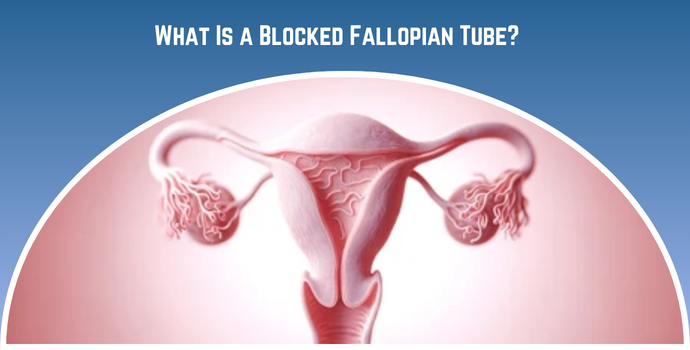
Fallopian tube blockage is an obstruction in one or both tubes preventing sperm from reaching the egg and the fertilized egg from reaching the uterus causing infertility in approximately 25-30% of female infertility cases. Often causing no symptoms until conception attempts these blockages result from infections and pelvic inflammatory disease and endometriosis and previous surgeries.
According to Dr. Hrishikesh Pai, renowned IVF Doctor in India, “Blocked tubes don’t always mean surgery. IVF bypasses them entirely and for many women that turns out to be the faster and safer route to pregnancy.”
What causes fallopian tube blockage and how is it diagnosed?
PID is the number one cause. Then endometriosis. Then scar tissue from previous pelvic surgery. STIs like chlamydia and gonorrhea cause damage that often goes unnoticed for years. And most women have zero symptoms until they try to get pregnant and nothing happens. That’s when testing starts.
- Pelvic Inflammatory Disease: PID from untreated STIs is the most frequent cause of tubal blockage. Chlamydia and gonorrhea create silent infections that scar the inner tubal lining over time and by the point symptoms appear the damage is often already permanent
- Endometriosis: Endometrial tissue growing on or inside the fallopian tubes creates adhesions and scarring that partially or completely block the passage. About 30-50% of women with endometriosis have some degree of tubal involvement affecting their fertility treatment options
- HSG Diagnosis: Hysterosalpingogram is the standard test. Dye goes into the uterus through the cervix while X-ray tracks whether it flows freely through both tubes and spills out the other end. If the dye stops the tube is blocked at that point
- Laparoscopic Confirmation: When HSG shows a blockage laparoscopy confirms exactly where it is and how bad it is. Proximal blockage near the uterus. Midsegment blockage in the middle. Distal blockage near the ovary which is commonly hydrosalpinx from fluid buildup
One tube blocked and one open. Natural pregnancy is still possible. Both tubes blocked and IVF becomes the primary path. More about diagnosis on the female infertility treatment page.
How are blocked fallopian tubes treated?
Depends on where the block is and how much damage there is. Minor proximal blockages can sometimes be cleared with a guidewire in an outpatient procedure called tubal recanalization. Severe distal damage with hydrosalpinx usually means removing the affected tube and going straight to IVF.
- Tubal Recanalization: Guidewire inserted through the cervix and uterus into the blocked tube clears proximal obstructions in an outpatient procedure with up to 100% technical success rate. Pregnancy rates after recanalization reach approximately 41% which is higher than IVF treatment rates for some tubal cases
- Surgical Repair: Laparoscopic tuboplasty for isthmic blockage achieves 50-60% pregnancy rates while fimbrial surgery for distal blockage achieves around 27%. But repaired tubes carry a 10% or higher ectopic pregnancy risk because the fine inner workings of the tube rarely return to normal function
- Salpingectomy Before IVF: Hydrosalpinx fluid flowing back into the uterus reduces IVF success by 50%. Removing the affected tube through salpingectomy before starting IVF eliminates this problem and egg freezing can preserve eggs beforehand if needed
- IVF Bypassing Tubes: When both tubes are blocked or damaged beyond repair IVF bypasses them completely. Eggs come directly from the ovaries and embryos go straight into the uterus. Over 70% of women with tubal factor infertility achieve live birth within four IVF cycles
With one healthy tube natural conception and IUI remain options. Both tubes compromised and IVF gives the best outcomes. How age factors into all treatment decisions is in this guide on getting pregnant with PCOS after 30.
Why Choose Dr. Hrishikesh Pai?
His team runs complete hormonal panels and imaging and tubal assessments before recommending any treatment. He has delivered keynote lectures at FIGO World Congress and been featured on BBC World Service for his work in egg freezing and reproductive medicine. Call +91-98200 57722 to book your consultation.
Frequently Asked Questions
Can you get pregnant with one blocked fallopian tube?
Yes natural pregnancy is possible with one open tube though it may take longer.
What is the best test for blocked fallopian tubes?
HSG is the standard diagnostic test using dye and X-ray to check tubal patency.
Does IVF work with both tubes blocked?
Yes IVF bypasses tubes entirely with over 70% achieving live birth within four cycles.
Should hydrosalpinx be removed before IVF?
Yes untreated hydrosalpinx reduces IVF success by 50% so salpingectomy is recommended first.
References
- Tubal factors affecting fertility – National Library of Medicine
- Fallopian tube recanalization – Society of Interventional Radiology