
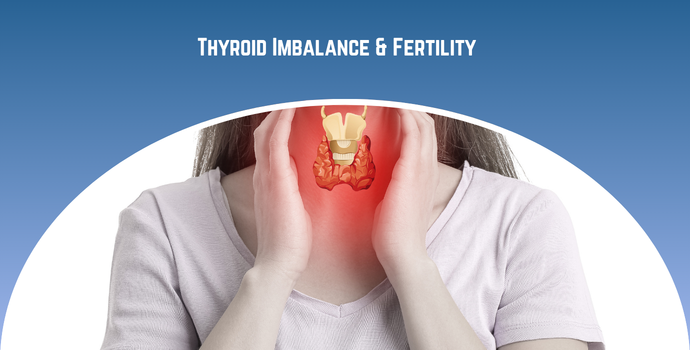
Thyroid imbalance affects fertility and IVF outcomes, because thyroid hormone directly regulates ovulation, egg quality and the uterine lining an embryo needs for implantation. Both an underactive thyroid (hypothyroidism) and an overactive thyroid (hyperthyroidism) disturb the menstrual cycle, raise prolactin levels and interfere with normal follicle development. Even mild, subclinical thyroid dysfunction, often missed on a routine checkup, can lower IVF success rates and raise miscarriage risk once pregnancy is achieved.
According to Dr. Hrishikesh Pai, infertility specialist in Mumbai, “TSH levels above 2.5 mIU/L are worth correcting before an IVF cycle starts, not after a transfer fails.”
How Does Thyroid Dysfunction Disrupt Fertility?
Thyroid hormone acts on nearly every reproductive tissue, so even a mild imbalance shows up in cycle length, egg quality and early pregnancy support.
Ovulation: Low or high thyroid hormone throws off the signal between the brain and ovaries, so cycles turn irregular or stop releasing an egg at all.
Prolactin: An underactive thyroid often pushes prolactin up too, and that extra prolactin alone can block ovulation even when thyroid numbers look borderline normal.
Implantation: Thyroid hormone helps prepare the uterine lining, so poor control can leave the endometrium too thin or poorly receptive for an embryo to settle in.
Miscarriage Risk: Untreated thyroid dysfunction roughly doubles early pregnancy loss risk, and that’s exactly why levels get rechecked right after a positive beta-hCG.
Because ovulation timing depends so heavily on thyroid balance, correcting it first often improves response during standard ovarian stimulation instead of just raising medication doses.
How Is Thyroid Function Managed Before IVF?
Thyroid correction before an IVF cycle usually takes a few weeks and follows a fairly predictable testing and treatment pattern.
TSH Target: Most fertility protocols aim for a TSH under 2.5 mIU/L before stimulation begins, tighter than the general population reference range.
Medication: Levothyroxine remains the standard treatment for an underactive thyroid, with doses adjusted every four to six weeks until levels settle.
PCOS Overlap: Thyroid dysfunction shows up more often in women already managing PCOS, so both conditions typically get treated together rather than one after the other.
Monitoring: Levels get rechecked at the start of stimulation and again after a positive pregnancy test, since dosage needs often rise once pregnancy begins.
Thyroid imbalance rarely acts alone, and metabolic factors like weight sit on a similar hormonal pathway, something covered in Can Obesity Lower Your IVF Success Rate?
Why choose Dr. Hrishikesh Pai?
Dr. Hrishikesh Pai is MD, FRCOG (UK-Hon), MSc, FCPS and FICOG, with over 40 years of experience in obstetrics, gynecology and infertility. He’s the Founder and Director of the Bloom IVF Group and has personally managed thyroid-linked infertility cases across the group’s centres.
Patients referred in after repeated IVF failure often turn out to have an undiagnosed or under-treated thyroid issue, and fixing it before the next cycle changes outcomes more often than switching protocols does. Getting the thyroid right first just works better than troubleshooting a failed transfer afterward.
Struggling with repeated IVF failure even after normal-looking scans?
Frequently Asked Questions
Can thyroid problems cause infertility in women?
Yes, both hypothyroidism and hyperthyroidism can disrupt ovulation and fertility.
How is thyroid function tested before IVF?
A simple TSH blood test, sometimes with free T4 and antibodies.
Can thyroid medication continue during pregnancy?
Yes, levothyroxine is safe in pregnancy and often needs dose adjustment.
Does subclinical hypothyroidism need treatment before IVF?
Most fertility protocols treat it once TSH crosses 2.5 mIU/L.