
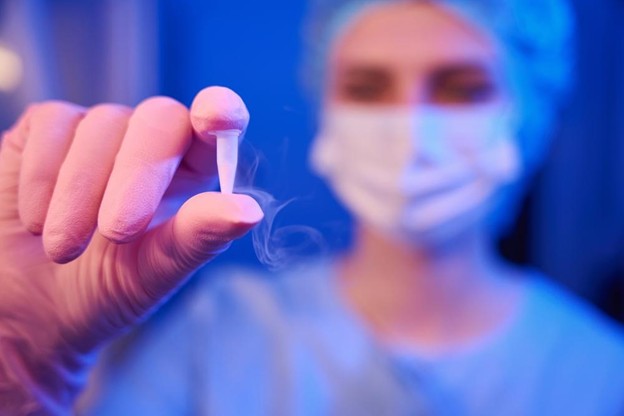
As women get older, the ability to conceive naturally reduces; however, modern reproductive technologies can preserve their fertility through egg freezing. Freezing eggs at 38 is quite doable for many women who wish to delay childbearing or retain fertility for future use.
At 38, most women experience a decline in both the quantity and quality of their eggs, which can further impact their future conception possibilities. Through egg freezing, on the other hand, women have the option to “pause” their fertility by preserving healthy eggs for future IVF procedures. Freezing eggs at 38 does, however, require much consideration on a number of factors touching on the success rate of the procedure at this age and challenges that may crop up.
In this blog, we’ll discuss the possibility of freezing eggs at 38, risks associated with it, success rates, and how to improve egg quality to maximize your chances of success. Renowned IVF specialist Dr. Hrishikesh Pai of Mumbai has helped scores of women navigate fertility preservation, and we share insights into how he advises women through this key life decision.
Is It Possible to Freeze Eggs at 38?
As women approach their late 30s, many start considering egg freezing as a fertility preservation option. Freezing eggs at 38 is indeed possible, but it’s important to understand that fertility naturally declines with age. While the process can still offer a viable option for future pregnancy, the success rates at 38 are lower compared to younger ages due to a decline in both egg quantity and quality.
Dr. Hrishikesh Pai, one of the best IVF doctors in Mumbai, has years of experience guiding women through egg freezing and other fertility preservation methods. If you’re contemplating freezing your eggs at 38, understanding the challenges and outcomes is vital.
Concerned about freezing eggs at 38?
Consult with Dr. Hrishikesh Pai, a leading IVF specialist in Mumbai, for expert advice and personalized fertility planning.
Are Your Eggs Good at 38?
At 38 years, a woman usually has fewer eggs, which are not as healthy as those from younger women. The egg can even be genetically abnormal with advancing age, adding to difficulties in fertility and pregnancy outcome. However, many women freeze eggs successfully at the age of 38 years, especially when the eggs are still of good quality.
Lifestyle, general health, and genetic predisposition also influence the quality of eggs around this age. Accordingly, Dr. Pai stresses that fertility evaluation before freezing eggs is an important step to estimate the health of your eggs and the viability of the procedure itself.
What Can You Expect When Freezing Eggs at 38?
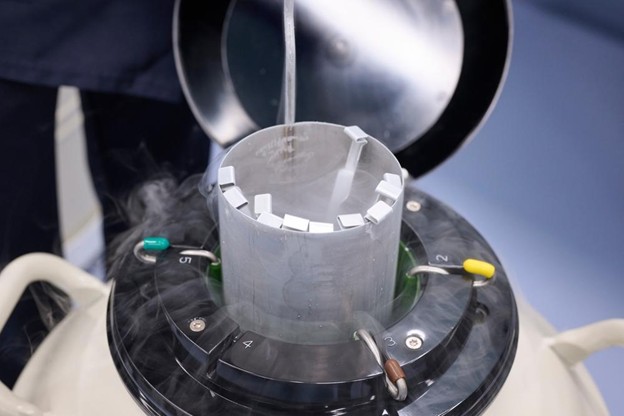
Freezing eggs involves stimulating the ovaries to produce multiple eggs, followed by retrieval and freezing for future use. At 38, when freezing eggs, it can be a bit more difficult to retrieve eggs because the ovarian reserve is lower. You might have to go through more cycles or need higher medication dosages for the stimulation of egg production.
Success rates for egg freezing at 38 are usually lower compared to women of younger ages; however, the success rate for women in their late 30s has gone up with advanced IVF technology. Dr. Pai uses state-of-the-art technology that increases the chances of successful retrieval and preservation of the eggs.
Want to know more about egg freezing at 38?
Reach out to Dr. Hrishikesh Pai, a leading IVF specialist in India, and explore your fertility options today.
How to Improve Egg Quality at 38?
While egg quality naturally declines with age, there are steps you can take to enhance egg health before freezing. Improving egg quality at 38 may involve lifestyle changes, medical interventions, and specific fertility treatments. Some strategies to improve egg quality include:
Healthy Diet and Lifestyle: A balanced diet, regular exercise, and avoiding smoking or excessive alcohol consumption can help improve ovarian health.
Fertility Supplements: Certain supplements like CoQ10, DHEA, and vitamin D may support egg health.
Fertility Treatments: Individualized IVF and egg freezing protocols using advanced laboratory techniques may improve outcomes in women over 35
Are There Any Alternatives to Consider?
Embryo Freezing: If you are in a committed relationship and are ready for the possibility of using a sperm donor, embryo freezing may be an option to consider. This process typically results in higher success rates than egg freezing alone.
Oocyte Donation: For women who have low egg quality or fewer viable eggs, using donated eggs can be a viable alternative. Many IVF clinics, including those led by Dr. Pai, offer personalized options for egg donation.
Explore your alternatives to egg freezing
Book a consultation with Dr. Hrishikesh Pai, one of the best infertility specialists in Mumbai, and get personalized fertility treatment advice.
Conclusion
While freezing eggs at 38 is possible, it is essential to consider the possible challenges that come with aging. Understanding the process of egg freezing, its success rate, and how one can improve their egg quality will help you make an educated decision regarding your fertility preservation options.
Dr. Hrishikesh Pai is one of the finest IVF doctors in Mumbai, offering comprehensive fertility services based on your individual requirements. Consulting a specialist can help you choose the most appropriate fertility option.
Frequently Asked Questions
Is freezing eggs at 38 safe?
What is the success rate of egg freezing at 38?
How much does egg freezing cost at 38?
What are the risks of freezing eggs at 38?
How many eggs should I freeze at 38?
Reference Links:
- Thalassemia and Pregnancy – American Pregnancy Association
- Thalassemia: A Guide for Women – Thalassemia International Federation