
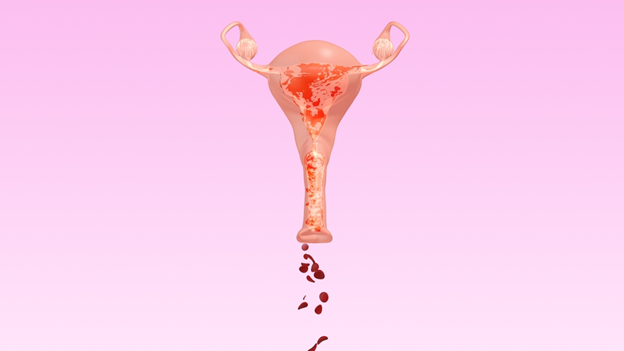
The process of embryo transfer results in both emotional strain and physical exhaustion for people who undergo this procedure. The desire to become pregnant exists as a strong force for people who seek this outcome. The first embryo transfer process fails, which brings unexpected symptoms to many women, who experience one symptom as heavy menstrual flow.
People who experience this condition will face anxiety because of their health situation. A heavy period after a failed embryo transfer, which appears to be overwhelming, actually represents a common medical situation that should not raise alarm according to medical experts.
Let’s explore what’s normal, why it happens, and how to manage it.
Is It Normal to Have a Heavy Period After Failed Embryo Transfer?
A woman who has undergone failed embryo transfer will experience heavy menstrual bleeding, which is considered a normal response to the procedure. The medical staff uses hormone therapy to prepare the patient for embryo transfer by creating the required conditions for implantation that result in thickening of the uterine lining. The body will eliminate this uterine lining through menstruation when implantation fails to take place. The body experiences a process that creates more intense bleeding than standard for this particular situation.
The amount of vaginal bleeding that occurs will differ between women because different women will react to medication in different ways. There are two types of bleeding patterns which women experience: some women have light bleeding patterns while other women experience heavy bleeding with blood clots.
Your body naturally goes through this cycle to establish its new state after the implantation attempt fails.
Regardless, this is part of your body’s natural cycle as it resets after the failed implantation.
How Long Do You Bleed After a Failed Embryo Transfer?
The duration of bleeding after an unsuccessful embryo transfer procedure ranges from several days to one week because each person reacts differently. A woman will experience bleeding patterns that resemble her typical menstrual cycle, which will begin with light spotting and then transition to heavy menstrual flow before gradually decreasing in intensity over three days. The length of time needed for recovery depends on various factors which control the situation.
If the bleeding is significantly heavy or prolonged, it’s important to reach out to your IVF doctor in India for further evaluation.
Causes of Heavy Bleeding After Failed Embryo Transfer
Heavy bleeding following a failed embryo transfer can be attributed to several factors, including:
- Hormonal Fluctuations: After embryo transfer, medications like progesterone and estrogen are commonly used to prepare your uterus for implantation. When these hormone levels drop after a failed transfer, it can cause the uterine lining to shed, leading to heavier bleeding.
- Uterine Lining Thickness: If the uterine lining was particularly thick to support implantation, it may be shed more dramatically after a failed transfer.
- Progesterone Withdrawal: The body naturally sheds its lining during menstruation. Progesterone withdrawal is a common cause of this, as it signals the body to end the luteal phase and begin the menstrual cycle again.
- Other Underlying Conditions: In some cases, conditions like fibroids or polyps can contribute to heavier bleeding after embryo transfer.
It’s always a good idea to speak with your IVF specialist in India, especially if the bleeding is heavy, prolonged, or if you experience any unusual pain.
How to Manage Heavy Bleeding After a Failed Embryo Transfer

Heavy bleeding after a failed embryo transfer can be physically draining, but there are several ways to manage it:
- Stay Hydrated and Rest: Heavy periods can cause fatigue, so make sure to stay hydrated and take it easy. Rest as much as you can to allow your body to recover.
- Pain Relief: If cramps or pain accompany the heavy flow, over-the-counter pain relief like ibuprofen or acetaminophen can help. However, always check with your IVF doctor in Mumbai to make sure it’s safe based on your individual needs.
- Track Your Symptoms: Keep track of your symptoms—duration, flow, pain, and any unusual signs. This will help your doctor assess whether anything is amiss.
- Consider Iron Supplements: Heavy bleeding can sometimes lead to low iron levels, so ask your IVF specialist in India if iron supplements are recommended.
- Contact Your IVF Specialist: If the bleeding doesn’t taper off after a few days or becomes unbearably heavy, or if you experience sharp pain or dizziness, consult your IVF doctor in Mumbai immediately.
Conclusion
While experiencing a heavy period after a failed embryo transfer can be concerning, it’s usually part of your body’s natural response as it resets itself. Remember, the intensity and duration can vary, but if it feels overwhelming, don’t hesitate to reach out to your IVF doctor in Mumbai.
Most importantly, be kind to yourself. Whether you’re recovering from a failed transfer or preparing for the next step in your fertility journey, know that there is support available. Dr. Hrishikesh Pai and his team at Bloom IVF are here to guide you with compassion and expert care.