
Dr. Hrishikesh Pai, one of most experienced IVF specialists in India and the Founder of Bloom IVF Group, has helped thousands of women navigate fibroid-related infertility over his 40+ years of practice. In this blog, he explains everything you need to know — from what fibroids are to how they are treated to improve fertility outcomes.
What Are Fibroids?
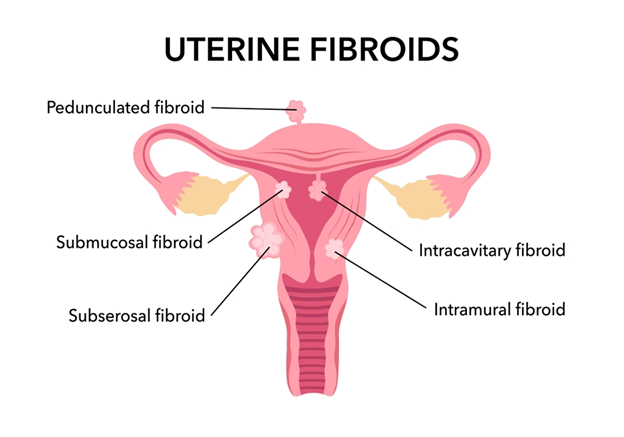
Uterine fibroids — medically called uterine leiomyomas or myomas — are non-cancerous (benign) growths that develop in or around the wall of the uterus. They are made up of smooth muscle cells and fibrous connective tissue. Fibroids can vary dramatically in size, from a tiny seedling that is too small to detect to a large mass that can distort the shape of the uterus.
They are classified by their location within the uterus:
- Submucosal fibroids: Grow just beneath the inner lining of the uterus (endometrium). These have the greatest impact on fertility and pregnancy.
- Intramural fibroids: Found within the muscular wall of the uterus. Can affect the uterine cavity and interfere with implantation when large.
- Subserosal fibroids: Grow on the outer surface of the uterus. Generally less likely to impact fertility but can cause pelvic pain and pressure.
- Pedunculated fibroids: Attached to the uterus by a stalk. Can be intracavitary (inside the uterine cavity) or external.
Fibroids are extremely common — studies suggest that up to 70–80% of women will develop fibroids at some point in their lifetime, though many never experience symptoms.
Signs and Symptoms of Fibroids
Many women with fibroids have no symptoms at all, and fibroids are only discovered during a routine pelvic exam or ultrasound. However, when symptoms do occur, they may include:
- Heavy or prolonged menstrual bleeding (menorrhagia) — the most common symptom
- Pelvic pain or pressure, especially during menstruation
- Frequent urination or difficulty emptying the bladder
- Lower back pain or leg pain
- Painful intercourse (dyspareunia)
- An enlarged or bloated abdomen
- Iron-deficiency anemia due to blood loss
- Difficulty getting pregnant or recurrent pregnancy loss
Note: Symptoms depend heavily on the size, number, and location of the fibroids. A submucosal fibroid even as small as 1–2 cm can affect fertility, while a large subserosal fibroid may cause no fertility problems at all.
How Can Fibroids Cause Infertility?
Not all fibroids cause infertility. However, depending on their location and size, fibroids can interfere with conception through several distinct mechanisms:
1. Distortion of the Uterine Cavity
Submucosal and large intramural fibroids can physically distort the shape of the uterine cavity. A normal uterine cavity is essential for embryo implantation. When a fibroid bulges into or compresses the cavity, it creates an irregular surface that makes it difficult for a fertilised egg to implant and grow.
2. Blocked Fallopian Tubes
Fibroids located near the openings of the fallopian tubes (cornual fibroids) can block the passage of sperm or eggs, making fertilisation difficult or impossible. This is functionally similar to tubal blockage as a cause of infertility.
3. Impaired Blood Flow to the Endometrium
Fibroids can compete with the endometrium for blood supply, reducing the blood flow to the uterine lining. A well-vascularised endometrium is crucial for embryo implantation. Poor blood flow can lead to a thin or poorly receptive endometrium, reducing implantation rates.
4. Changes in Uterine Contractility
The presence of fibroids may alter the normal muscular contractions of the uterus. Abnormal uterine contractions can interfere with sperm transport, prevent implantation, or increase the risk of early pregnancy loss.
5. Altered Endometrial Environment
Research suggests that fibroids — particularly submucosal ones — may secrete substances that create an inflammatory or hostile environment within the uterine cavity, making it less receptive to implantation even when the cavity appears structurally normal.
Key fact: Studies show that submucosal fibroids reduce IVF implantation rates by up to 50%, while intramural fibroids (depending on size) can reduce pregnancy rates by 15–40%.
Can Fibroids Affect Pregnancy?
Yes. Even if a woman with fibroids does conceive, the fibroids can sometimes affect the course of the pregnancy. Possible complications include:
- Recurrent miscarriage: Submucosal fibroids in particular are strongly associated with first-trimester pregnancy loss.
- Preterm labour: Large fibroids may reduce the space available for the growing baby, increasing the risk of premature birth.
- Placental abruption: Fibroids located behind the placenta can increase the risk of the placenta separating early.
- Foetal malpresentation: A large fibroid may prevent the baby from settling into a head-down position, leading to breech presentation and caesarean delivery.
- Postpartum haemorrhage: Fibroids can interfere with normal uterine contraction after delivery, increasing bleeding risk.
However, it is important to note that many women with fibroids carry pregnancies to full term without any complications. The risk depends on the fibroid’s size, location, and number.
How to Treat Fibroids to Improve Fertility?
The decision to treat fibroids before attempting pregnancy depends on several factors, including fibroid location, size, the woman’s age, and her fertility goals. Dr. Hrishikesh Pai at Bloom IVF Group offers a comprehensive range of evidence-based treatment options:
1. Hysteroscopic Myomectomy (Surgical Removal)
The gold-standard treatment for submucosal fibroids. In this minimally invasive procedure, a thin telescope (hysteroscope) is inserted through the cervix into the uterus, and the fibroid is shaved away. No incisions are required. Studies consistently show that hysteroscopic myomectomy significantly improves pregnancy rates in women with submucosal fibroids.
Performed at: IVF Centre in Mumbai and IVF Centre in Delhi
2. Laparoscopic Myomectomy
Used to remove intramural and subserosal fibroids. A keyhole surgery performed under general anaesthesia through small incisions in the abdomen. It preserves the uterus fully, making it the preferred surgical option for women who wish to conceive. Recovery is faster than open surgery.
3. Open (Abdominal) Myomectomy
Recommended when fibroids are very large (>10 cm), numerous, or in difficult locations. Though it has a longer recovery time, it remains the most reliable approach for complex fibroid cases.
4. Medical Management (Temporary Suppression)
GnRH agonists (such as leuprolide) can temporarily shrink fibroids by inducing a low-estrogen state. This approach is used before surgery to reduce fibroid size and operative blood loss, or as a short-term measure in selected cases. It is not a permanent cure, and fibroids typically return after stopping medication.
5. IVF with Fibroid Management
In women undergoing IVF, fibroids that do not distort the uterine cavity (pedunculated or small subserosal fibroids) are generally not removed before treatment. However, submucosal and cavity-distorting intramural fibroids are typically resected before IVF to maximise success rates. At IVF centre in Delhi, Dr. Pai’s team carefully assesses each case to formulate a personalised treatment plan.
Important reminder: Not all fibroids require treatment. A thorough evaluation by a fertility specialist — including a 3D ultrasound or hysteroscopy — is essential to determine whether fibroid treatment will genuinely improve your chances of conception.
Conclusion
Fibroids are a common but often misunderstood cause of female infertility. While not every fibroid will prevent pregnancy, those in the wrong location or of a significant size can create real obstacles to conception and a healthy pregnancy. The important takeaway is that fibroids are treatable, and with the right guidance, most women can go on to have successful pregnancies.
If you have been diagnosed with uterine fibroids and are struggling to conceive — or if you are planning a pregnancy and want a fibroid evaluation — Dr. Hrishikesh Pai, an IVF doctor in Mumbai and the team at IVF centre in Mumbai are here to help. With over four decades of experience in reproductive medicine, state-of-the-art diagnostic tools, and a compassionate patient-first approach, IVF centre in Mumbai is equipped to guide you through every step of your fertility journey.
📞 Book a Consultation with Dr. Hrishikesh Pai
🌐 drhrishikeshpai.com | Bloom IVF Centres across Mumbai, Delhi, Gurgaon, Mohali & Navi Mumbai
Frequently Asked Questions (FAQs)
How to shrink fibroids naturally without surgery?
Am I infertile if I have fibroids?
Not necessarily. Many women with fibroids conceive without difficulty. Fertility impact depends on the fibroid’s location, size, and whether it distorts the uterine cavity. Submucosal fibroids pose the greatest risk. A personalised evaluation by Dr. Pai will confirm whether treatment is needed.
Which size of fibroid is normal?
Yes, for most women with no symptoms or fertility concerns. Regular ultrasound monitoring every 6-12 months is recommended. Seek prompt medical advice if you experience heavy bleeding, pelvic pain, difficulty conceiving, or recurrent miscarriages.