
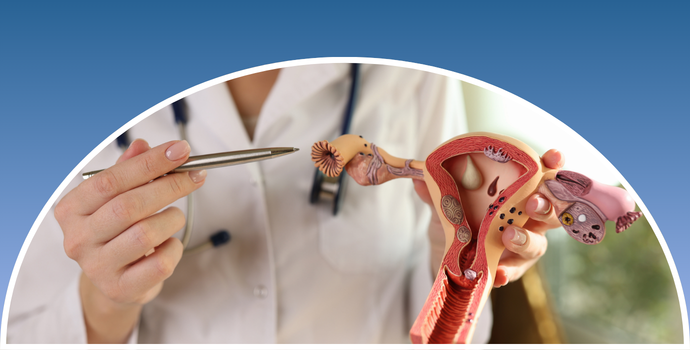
Egg retrieval is a minor surgical procedure performed under sedation during an IVF cycle to collect mature eggs from the ovaries. A thin ultrasound-guided needle is inserted through the vaginal wall into each follicle to aspirate the fluid containing the egg. The procedure takes 15 to 30 minutes depending on the number of follicles and is scheduled exactly 34 to 36 hours after the trigger shot. Most clinics retrieve between 8 to 15 eggs per cycle with the actual number depending on the patient’s age and ovarian response to stimulation.
According to Dr. Hrishikesh Pai, renowned IVF Doctor in India, Egg retrieval looks intimidating on paper but the actual procedure is quick and most patients wake up wondering if it already happened.
How is egg retrieval performed step by step?
The procedure is done in a minor operation theatre under IV sedation or light anaesthesia. A transvaginal ultrasound probe with a needle guide is used to puncture each visible follicle one by one. The aspirated fluid goes straight to the embryologist who checks each sample under the microscope for eggs within seconds.
- Sedation: They put an IV line in your arm and within 30 seconds you’re out. Not general anaesthesia though. Much lighter than that. You won’t feel a thing and you won’t remember any of it either which honestly is the part that surprises most women afterward
- Needle Insertion: Doctor attaches a thin needle to the ultrasound probe and goes through the vaginal wall into the first follicle. Reading that sounds rough. But you’re completely asleep at this point and the needle itself is way thinner than what most people picture in their head
- Follicle Aspiration: One follicle at a time gets punctured. Fluid gets sucked into a tube. That tube goes to the embryologist in the next room who checks it right away. Some follicles that looked perfect on the scan come back with nothing inside. Happens every single retrieval and nobody can predict which ones
- Completion: 15 to 30 minutes and both ovaries are done. Needle out. You get wheeled into recovery. Half the women open their eyes and ask when it’s going to start. The nurse has to tell them it already finished
Egg count from the procedure gets confirmed within an hour. Details about what follows after retrieval are covered on the IVF treatment page.
What should you expect after egg retrieval?
Post-retrieval recovery is usually quick with most women going home within 1 to 2 hours. Mild cramping and bloating are reported in over 80% of patients and typically resolve within 24 to 48 hours. Serious complications like ovarian hyperstimulation syndrome occur in less than 2% of cases with proper monitoring.
- Recovery Room: Eyes open. Everything’s foggy. Cramps hit like a rough period day. Clinic hands you a heating pad and some paracetamol. Give it an hour and most women are sitting up talking like nothing happened and asking when they can leave
- Bloating: Think about it. Your ovaries spent two weeks growing to the size of small oranges. They’re angry and swollen and tender. That heavy bloated feeling hangs around for a few days. Don’t even bother with jeans. Loose pants only for the next 48 hours at least
- Activity Restrictions: No gym and no heavy lifting for about a week after. Walking around the house is fine though. One day off work does it for most women. Some take two. Really depends on how many follicles got punctured and how your body handles the soreness
- OHSS Risk: Your clinic pulled out 20 plus eggs and now your doctor is watching you closely for ovarian hyperstimulation signs. Sudden weight gain or bad bloating or trouble breathing means you pick up the phone and call them immediately. Under 2% of women deal with this but when it happens it needs attention fast
While you’re heading home your eggs are already in the lab. Embryologist calls next day with a fertilization update. What happens when a cycle doesn’t go as planned is covered in this guide on heavy period after failed embryo transfer.
Why Choose Dr. Hrishikesh Pai?
His team runs complete hormonal panels and imaging and tubal assessments before recommending any treatment. He has delivered keynote lectures at FIGO World Congress and been featured on BBC World Service for his work in egg freezing and reproductive medicine. Call +91-98200 57722 to book your consultation.
Frequently Asked Questions
How long does egg retrieval take?
The procedure takes 15 to 30 minutes under sedation in most cases.
Is egg retrieval painful?
No you’re under sedation during the procedure and feel nothing at all.
How soon can you go home after retrieval?
Most women leave the clinic within 1 to 2 hours after waking up.
What is the biggest risk of egg retrieval?
Ovarian hyperstimulation syndrome occurs in less than 2% of monitored cases.
References
- Oocyte retrieval techniques – National Library of Medicine
- Infertility treatment and ART – World Health Organization