
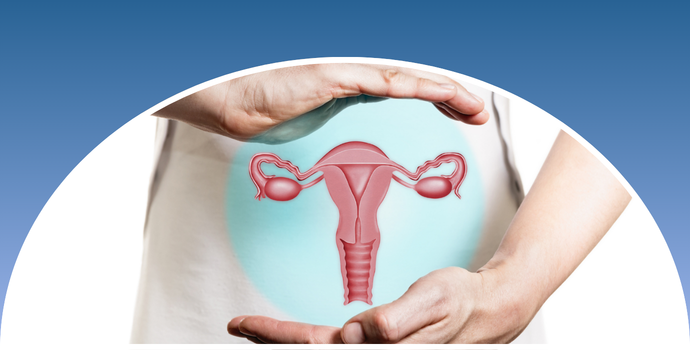
Ovarian stimulation is the first and longest phase of an IVF cycle where hormone injections are used to make the ovaries produce multiple mature eggs instead of the single egg released in a natural cycle. Gonadotropins like FSH and LH are administered daily for 8 to 14 days to stimulate follicle growth. The goal is to retrieve 8 to 15 eggs per cycle as higher egg numbers improve the chances of getting quality embryos for transfer. Without stimulation IVF success rates drop significantly because there’s only one egg to work with.
According to Dr. Hrishikesh Pai, renowned IVF Doctor in India, “Getting the stimulation protocol right is the single most important step because everything that follows depends on the number and quality of eggs we collect.”
Starting IVF and want to understand how stimulation will work for your body? Book Appointment
What happens during ovarian stimulation?
Stimulation begins on day 2 or 3 of the menstrual cycle with daily subcutaneous hormone injections. Follicle growth is tracked through transvaginal ultrasound every 2 to 3 days alongside blood tests measuring estradiol levels. Once the lead follicles reach 17 to 20mm a trigger shot of hCG or GnRH agonist is given to finalize egg maturation.
- Daily Injections: You’re jabbing a tiny needle into your belly every morning for 8 to 14 days straight. Sounds awful right. But the needles are so small that by day three most women barely flinch
- Monitoring Visits: Back at the clinic every 2 to 3 days. Ultrasound wand goes in. Doctor counts your follicles and measures each one. If growth is too slow the dose goes up. Too fast and they dial it back. It’s not a set-it-and-forget-it situation
- Trigger Shot: This one has to be timed perfectly. Your biggest follicles hit 17 to 20mm and you get one injection exactly 34 to 36 hours before egg retrieval. Mess up the timing by even a few hours and the eggs either aren’t ready or they release on their own before collection
- Egg Maturation: That final shot kicks off the last stage of egg development inside each follicle. Here’s the thing though. Not every follicle has a usable egg inside. Some come out empty and some have immature eggs that the lab can’t work with
Ultrasound follicle count and actual usable egg count are two different numbers. You can learn more about the full process on the ovarian stimulation page.
What factors affect how a woman responds to stimulation?
Response to ovarian stimulation varies widely based on age and ovarian reserve and AMH levels. Women under 35 with normal AMH typically produce 10 to 20 eggs per cycle. Women over 38 or those with diminished ovarian reserve may produce fewer than 5 eggs even on maximum dosing.
- Age: Your ovaries at 28 and your ovaries at 39 are basically different organs when it comes to IVF response. After 35 follicle recruitment slows down. By 40 some women get two or three eggs on the highest dose available and that’s just what the ovaries have left to give
- AMH Levels: This blood test tells your doctor how many eggs you’ve probably got in reserve. Under 1.0 ng/mL and the conversation shifts. Your doctor starts planning for fewer eggs from the beginning instead of being surprised when the retrieval numbers come in low
- Protocol Choice: Antagonist protocols are shorter and finish in 10 to 12 days. Long agonist ones take 3 to 4 weeks because there’s a suppression phase before stims even begin. Which one you get depends on your bloodwork and history. Not every woman gets the same recipe
- Body Weight: BMI over 30 changes how the drugs move through your system. Doses often need to go higher. The response gets harder to predict. Women going through IVF treatment at higher BMI sometimes need mid-cycle adjustments that add a few extra days
No two women respond the same way to the same drugs at the same dose. A slow start on day 5 doesn’t tell you much about where you’ll be on day 12. How egg freezing fits into the picture for women planning ahead is covered in this guide on freezing eggs at 38.
Why Choose Dr. Hrishikesh Pai?
His team runs complete hormonal panels and imaging and tubal assessments before recommending any treatment. He has delivered keynote lectures at FIGO World Congress and been featured on BBC World Service for his work in egg freezing and reproductive medicine. Call +91-98200 57722 to book your consultation.
Frequently Asked Questions
How long does ovarian stimulation take in IVF?
Ovarian stimulation typically lasts 8 to 14 days depending on follicle response.
How many eggs does stimulation produce?
Most women produce 8 to 15 eggs but numbers vary based on age.
Are the daily injections painful?
The needles are small and subcutaneous and most women adjust within days.
Can stimulation be repeated if response is poor?
Yes your doctor can adjust the protocol and try again the next cycle.
References
- Controlled ovarian stimulation – National Library of Medicine
- Infertility and ART – World Health Organization