
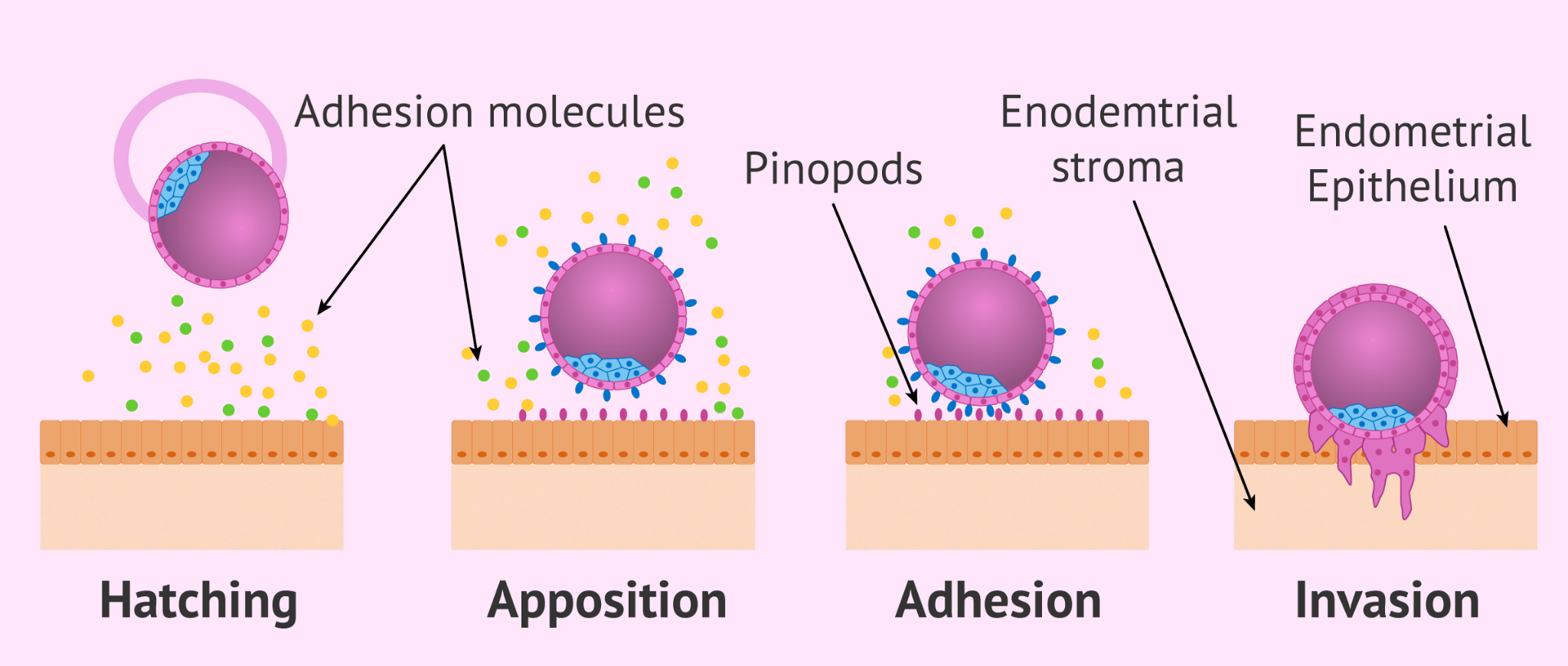
Implantation after frozen blastocyst transfer usually begins within 1 to 3 days post-transfer, completing fully by day 5 to 7. A blastocyst is a 5-day-old embryo, already past early developmental stages, so it attaches to the uterine lining faster than fresh day-3 embryos do.
According to Dr. Hrishikesh Pai, a renowned IVF doctor in India, “Frozen blastocyst transfer allows embryo transfer in a later cycle after ovarian stimulation, which may improve endometrial receptivity in some patients.”
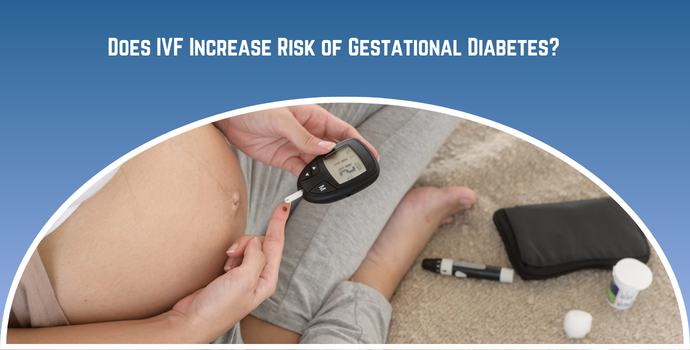
Does IVF Actually Increase Gestational Diabetes Risk?
Studies consistently show a modest rise in gestational diabetes mellitus (GDM) among IVF pregnancies. But the picture is more nuanced than the raw numbers suggest.
Key research findings:
IVF pregnancies: 10 to 15 percent develop GDM
Natural pregnancies: 5 to 9 percent develop GDM
Adjusted risk gap: Narrows after accounting for maternal age and BMI
Frozen embryo transfers: Slightly higher risk than fresh transfers
The numbers don’t lie, but they also don’t tell the full story. Women undergoing IVF treatment are often older, more likely to have PCOS, and may already carry insulin resistance. These factors raise diabetes risk regardless of how conception happens.
Concerned about diabetes risk in your IVF pregnancy? Book Appointment with Dr. Hrishikesh Pai for personalized risk assessment.
Why Does IVF Raise the Risk of Gestational Diabetes?

The link between IVF and GDM is multifactorial. Hormones, age, and underlying conditions all play a role.
Main contributors:
Hormonal exposure: Higher estrogen and progesterone affect glucose metabolism.
Hormone-replacement FET protocols: Show stronger GDM association than natural-cycle FETs.
Older maternal age: IVF patients average 33 to 38 years, beyond peak fertility years.
Underlying PCOS: Common infertility cause, also a major GDM risk factor.
Higher BMI: Many patients enter cycles with weight that predisposes to insulin resistance.
The frozen embryo transfer protocol using hormone replacement may slightly raise GDM odds compared to natural-cycle FET. Some clinics now favor natural-cycle FET for patients with regular ovulation, specifically to reduce this risk.
What Are the Risk Factors and Warning Signs?
Not every IVF mom develops GDM. Knowing your risk profile helps spot trouble early and lets your team act before complications start.
High-risk groups:
Age above 35: Risk doubles compared to women under 30.
PCOS history: Up to 50 percent develop GDM.
BMI above 30: Insulin resistance starts earlier.
Family history of type 2 diabetes: Strong genetic component.
Previous GDM: Recurs in 30 to 60 percent of subsequent pregnancies.
South Asian ethnicity: Higher baseline risk regardless of conception method.
Warning signs to watch from week 20 onwards include increased thirst, frequent urination, fatigue beyond normal pregnancy tiredness, sugar showing in urine tests, excessive weight gain, or a larger-than-expected baby on ultrasound. Most cases show no symptoms at all. That’s why glucose testing between weeks 24 and 28 is standard for all pregnancies. Patients similar to those with natural pregnancy after failed IVF cases need extra-careful monitoring through every trimester.
Planning pregnancy after hydrosalpinx surgery? Book Appointment with Dr. Hrishikesh Pai for a personalized post-op fertility plan.
What Should You Avoid During the Implantation Period?
The good news? Most risk factors are modifiable. Smart pre-cycle planning cuts GDM odds significantly, and small habit changes during pregnancy make a real difference.
Pre-IVF steps:
Lose weight before starting: Even 5 to 10 percent weight loss helps.
Optimize blood sugar: Target HbA1c below 5.7 percent before transfer.
Treat PCOS first: Metformin may continue through pregnancy if indicated.
Boost vitamin D: Deficiency links to higher GDM risk.
Quit smoking and limit alcohol: Both worsen insulin resistance.
During pregnancy:
- Walk 30 minutes daily, especially after meals
- Choose complex carbs over refined sugars
- Get glucose tested at week 12 to 14 if high-risk
- Take prenatal vitamins consistently
- Monitor weight gain within recommended ranges
Patients with underlying PCOS fertility issues need a tailored metabolic plan before the cycle even begins. Pre-IVF metabolic workups beat reactive treatment after pregnancy starts.
Worried about implantation success? Book Appointment with Dr. Hrishikesh Pai for a personalized FBT consultation.
When To Contact Your Doctor
GDM is manageable when caught early. Delay screening or ignore warning signs, and complications stack up fast for both mother and baby.
Reach out without delay if you notice:
- High glucose readings: Fasting above 95 mg/dL or post-meal above 140 mg/dL.
- Symptoms after week 20: Persistent thirst, fatigue, or excessive urination.
- PCOS history: Schedule first-trimester glucose tolerance test even before symptoms appear.
- Previous GDM: Recurrence rates are high, so early screening is essential.
- Family history of diabetes: Especially type 2 in first-degree relatives.
- BMI above 30 entering IVF: Discuss pre-cycle metabolic optimization.
Dr. Hrishikesh Pai, an IVF specialist in Mumbai with over 40 years of fertility experience, recommends metabolic screening before every IVF cycle for high-risk patients. Early identification shifts pregnancy outcomes far more than late-stage intervention ever does.
Frequently Asked Questions
Is gestational diabetes more common in IVF pregnancies?
Yes, GDM affects 10 to 15 percent of IVF pregnancies versus 5 to 9 percent of natural conceptions.
Does frozen embryo transfer increase diabetes risk more than fresh transfer?
Yes, hormone replacement protocols used in FET show slightly higher GDM rates than fresh transfers
Can PCOS patients undergoing IVF avoid gestational diabetes?
Risk drops with pre-cycle weight management, metformin use, and early glucose screening in the first trimester.
When should IVF pregnancies be tested for gestational diabetes?
High-risk IVF patients should test in the first trimester, all others between week 24 and 28.