
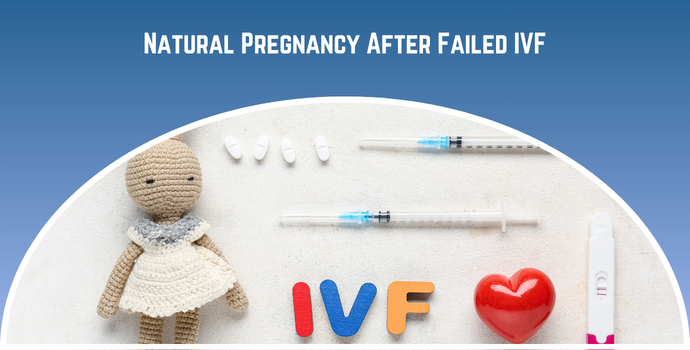
Natural pregnancy after failed IVF does happen. Studies suggest 20 to 30 percent of couples conceive spontaneously within two years of an unsuccessful IVF cycle. Failed IVF doesn’t mean permanent infertility. Hormonal priming and diagnostic clarity gained during treatment can actually improve natural conception odds afterward.
According to Dr. Hrishikesh Pai, renowned IVF Doctor in India, “A failed IVF cycle often gives us clinical insights about a couple’s fertility that genuinely improve their chances of conceiving naturally in the months that follow.”
A failed IVF cycle is emotionally exhausting. It’s also, counterintuitively, sometimes the thing that makes natural conception more likely. The diagnostic workup, the hormonal stimulation, the structural corrections done during IVF treatment, all of it can leave the body in a better position than it was before the cycle began. That’s not false hope. It’s biology worth understanding.
Why Does Natural Conception Happen After Failed IVF?
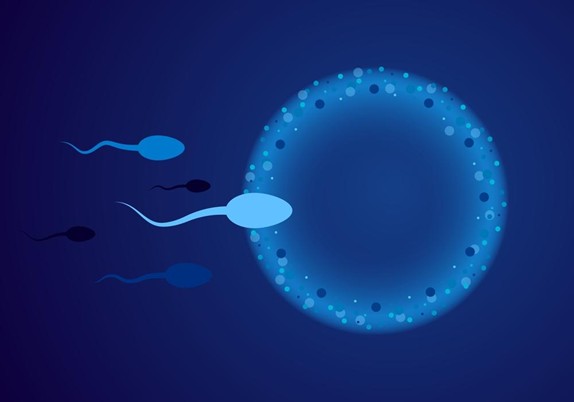
Several physiological changes during IVF can actually prime the body for spontaneous pregnancy. This is one of the least discussed aspects of post-IVF recovery.
- Ovarian Stimulation Residual Effect: Controlled ovarian hyperstimulation can temporarily normalize ovulatory patterns in women with irregular cycles, creating a short window of improved spontaneous ovulation after the cycle ends.
- Endometrial Receptivity Reset: The luteal phase support medications used during IVF often improve uterine lining quality, and this effect can persist into subsequent natural cycles.
- Structural Issues Identified and Corrected: Many couples discover and resolve previously unknown obstacles during IVF workup, like mild tubal issues, polyps, or sperm morphology problems, that were silently blocking natural conception before.
- Immune and Inflammatory Modulation: Certain IVF protocols involve interventions that reduce uterine inflammation, which may inadvertently support a natural pregnancy attempt in the following months.
Understanding why spontaneous conception happens post-IVF matters, because it changes how you approach the months after a failed cycle. For couples exploring options after repeated failures, detailed consultation around IVF treatment and what each failed cycle reveals can be more valuable than rushing straight into another round.
What Are the Odds of Getting Pregnant Naturally After Failed IVF?
The probability varies quite a bit depending on age, diagnosis, and how many IVF cycles were attempted.
- Under 35 with Unexplained Infertility: Natural conception rates within 12 months post-IVF are relatively higher, with some studies citing rates between 25 to 35 percent in this group specifically.
- Over 38 with Diminished Ovarian Reserve: Spontaneous conception is less likely but not impossible. Ovarian reserve and egg quality are the primary limiting factors, and age accelerates both.
- Male Factor Infertility Cases: If the IVF failure was primarily due to severe male factor issues, natural conception odds post-IVF remain limited unless sperm parameters improve.
- Endometriosis-Related Infertility: Laparoscopic treatment for endometriosis during or around IVF can meaningfully improve natural conception chances in the months after surgery.
But here’s the thing most couples aren’t told: the odds aren’t static. They shift based on what you do in the months following the failed cycle. Couples who address underlying lifestyle, hormonal, and nutritional factors between cycles consistently report better outcomes, whether they conceive naturally or return for another IVF attempt.
Read more about how our team approaches repeated IVF failure and what evaluation looks like before attempting natural conception or another cycle. For related reading on post-IVF recovery signals, the blog on heavy period after failed embryo transfer is worth reviewing too.
Tips to Increase the Chances of Natural Conception After Failed IVF
The three to six months after a failed IVF cycle are often called the “reset window,” and for good reason.
- Prioritize Sleep and Cortisol Management: Chronic stress elevates cortisol, which directly suppresses LH surges needed for ovulation. Sleep of seven to eight hours consistently is not optional during this period.
- Support Egg Quality with CoQ10 and DHEA: Both supplements have clinical backing for improving mitochondrial function in oocytes; start at least 90 days before any natural conception attempt or next IVF cycle.
- Track Ovulation with LH Strips and BBT: Post-IVF cycles can be irregular for one to three months. Tracking both LH and basal body temperature together gives more accurate ovulation data than either method alone.
- Limit Alcohol and Plastics Exposure: Endocrine disruptors from plastics and alcohol directly interfere with FSH receptor sensitivity; reducing exposure for 60 to 90 days before trying naturally is a practical, evidence-backed step.
And honestly, don’t underestimate the emotional reset. Couples who take a deliberate break to process the failed cycle, rather than immediately jumping back into another attempt, often report feeling more physically and mentally prepared when they do try again.
When to Contact a Doctor for Natural Conception Post IVF Failure
Not every couple should wait indefinitely to try naturally. Certain situations call for earlier medical review.
- No Period Within 45 Days Post-Cycle: An absent or significantly delayed period after a failed IVF cycle can indicate hormonal dysregulation that needs evaluation before natural conception attempts.
- Worsening Pelvic Pain or Irregular Cycles: New or worsening pelvic symptoms post-IVF can point to endometriosis progression, ovarian cysts, or adhesion formation that would affect natural conception.
- Over 38 with No Conception After 3 Months: Age-related ovarian reserve decline doesn’t pause. Women over 38 shouldn’t wait more than three months post-IVF before returning for a cycle review.
- Two or More Failed IVF Cycles: Multiple IVF failures without a clear documented explanation need a detailed investigation before natural conception or another cycle is pursued.
If you’re unsure which path makes sense after your failed cycle, that’s exactly the conversation to have with a specialist before making any decisions.
How Can I Track and Support a Healthy Pregnancy After Failed IVF?
If natural conception does occur after a failed IVF cycle, early monitoring is more important than in unassisted pregnancies.
- Beta hCG Confirmation at Home Positive Test: Don’t wait for a missed period. A blood beta hCG test confirms pregnancy earlier and helps your doctor assess whether levels are rising appropriately.
- Progesterone Supplementation If Indicated: Luteal phase insufficiency is more common in women with prior IVF history; your doctor may prescribe progesterone support through the first trimester as a precaution.
- Early Ultrasound at 6 to 7 Weeks: Ruling out ectopic pregnancy is a priority. Women with prior tubal issues or IVF history have a slightly elevated ectopic risk that needs early imaging confirmation.
- Genetic Counseling If Over 35: Spontaneous conceptions in women over 35 carry a modestly higher chromosomal risk; early genetic counseling helps you make informed decisions about optional prenatal screening.
A naturally conceived pregnancy after failed IVF deserves just as much careful monitoring as a medically assisted one. Because you’ve already been through a difficult cycle, starting that monitoring early removes a lot of unnecessary anxiety from the first trimester.
Conclusion
Natural pregnancy after failed IVF is real, documented, and more common than most couples are told when they leave a failed cycle. The key is understanding what the failed cycle revealed, addressing the underlying factors during the recovery window, and tracking the right things if a natural conception occurs.
Dr. Hrishikesh Pai brings over 30 years of experience guiding couples through IVF failure, natural conception planning, and early pregnancy monitoring, offering a level of clinical continuity that makes a real difference in outcomes.