
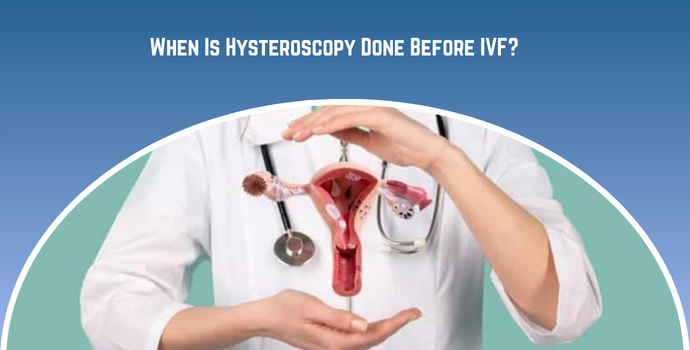
Ultrasound misses 14 to 45% of uterine cavity abnormalities that hysteroscopy detects. Polyps, adhesions, fibroids and septa reduce implantation independently of embryo quality. Hysteroscopy is the only investigation that diagnoses and treats these in the same procedure.
According to Dr. Hrishikesh Pai, a leading IVF Doctor in India, “The uterine cavity is half the equation in IVF. A normal ultrasound does not mean a normal cavity. Finding a problem and treating it costs far less than a failed cycle.”
What Does Hysteroscopy Find and Why Does It Matter for IVF?
The procedure gives a direct view inside the uterine cavity, diagnosing and treating in one sitting.
Endometrial polyps: Most common finding in women with prior IVF failure. Alter the local implantation environment. Hysteroscopic removal improves outcomes.
Submucosal fibroids: Distort the implantation surface and impair blood flow. Hysteroscopic resection consistently improves IVF outcomes.
Intrauterine adhesions: Frequently missed by ultrasound. Obstruct the cavity and prevent implantation. Identified and treated at hysteroscopy.
Uterine septum: Associated with implantation failure and recurrent miscarriage. Hysteroscopic resection is performed at diagnosis.
Chronic endometritis: No symptoms, nothing on ultrasound. Diagnosed by hysteroscopy and biopsy. Antibiotic treatment improves IVF outcomes.
Endometrial fluid: Significantly reduces implantation rates. Hysteroscopy identifies the source before the cycle proceeds.
Women with confirmed cavity pathology should have it addressed through hysteroscopic surgery before starting any IVF cycle.
Who Should Have Hysteroscopy Before IVF and When Is It Routine?
Two or more failed IVF cycles: Strongest indication. Up to 39% of women with normal prior ultrasound have abnormal cavity findings at hysteroscopy.
Abnormal uterine bleeding: Suggests endometrial pathology that needs exclusion before stimulation starts.
Suspected Mullerian anomalies: Septum or other congenital abnormality on imaging. Hysteroscopy confirms and corrects in one procedure.
Prior uterine surgery: Myomectomy, D&C or caesarean section raises adhesion risk. Hysteroscopy checks for cavity involvement.
Thin or irregular endometrium: When lining preparation consistently underperforms, hysteroscopy rules out intrauterine pathology.
Routine before first IVF cycle: debated. Evidence increasingly supports broader use given how often ultrasound misses relevant findings.
For women working through this decision, cavity risk is assessed based on history and imaging before any cycle proceeds. The guide on thyroid and fertility covers one of the most commonly missed systemic contributors to IVF failure.
Why choose Dr. Hrishikesh Pai?
Dr. Hrishikesh Pai has been a fertility specialist for over 40 years. MD, FRCOG (UK-HON), MSc (USA), FCPS, FICOG. He founded the Bloom IVF Group from the ground up, now past 25,000 cycles across eight centres in Mumbai, Navi Mumbai, Delhi, Gurgaon and Mohali. The labs run Life Whisperer AI for embryo grading because manual assessment alone has limits.
Hysteroscopy at Bloom IVF is performed as a diagnostic and operative procedure in the same sitting where possible. Cavity assessment is built into the pre-IVF workup for women with prior failures or clinical risk factors.
Concerned about your uterine cavity before IVF?
Frequently Asked Questions
Is hysteroscopy painful?
Short procedure under mild sedation or local anaesthesia. Same-day discharge. Mild discomfort resolves within a day or two.
How long after hysteroscopy can IVF start?
One full cycle after diagnostic hysteroscopy. One to two cycles after operative treatment to allow endometrial recovery.
Does thyroid treatment improve IVF success?
In overt hypothyroidism, yes. For subclinical hypothyroidism, levothyroxine to bring TSH below 2.5 mIU/L has been associated with improved outcomes in several published studies.
Should thyroid antibodies be tested before IVF?
Yes. TPOAb and TgAb testing is recommended even when TSH is normal, because antibody positivity independently affects implantation and miscarriage risk.
References
Effect of Hysteroscopy Before Starting In-Vitro Fertilization for Women With Recurrent Implantation Failure: A Meta-Analysis and Systematic Review – PMC, National Library of Medicine
Hysteroscopy Findings After Two Previous Failed IVF Cycles: A Case for Routine Hysteroscopy Before IVF? – PMC, National Library of Medicine