
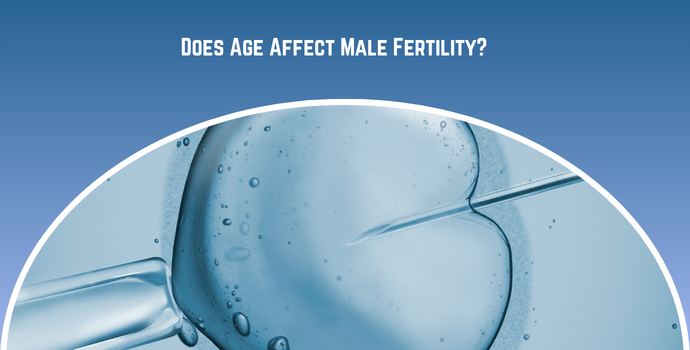
Male fertility does decline with age, though far more gradually than female fertility does. Sperm count often stays fairly stable into a man’s fifties and sixties, but sperm motility, morphology, and DNA integrity all drop steadily after around age 40 to 45. This decline raises the time it takes to conceive and can slightly increase the risk of miscarriage or certain genetic conditions in offspring. It’s a slower curve than most men expect, but it’s a real one.
According to Dr. Hrishikesh Pai, a leading ivf specialist in india, “Men rarely think their age is the issue, but DNA fragmentation in sperm climbs steadily after 40, and that’s something a standard semen analysis alone won’t catch.”
How Does Age Affect Sperm Quality?
Ageing changes sperm at a cellular level long before it shows up as a low count on a report. Here’s what actually shifts over time.
DNA Fragmentation. Sperm accumulates DNA damage as men age, and this fragmentation can affect embryo development even when the sperm count and motility both look normal on paper.
Motility. Sperm’s ability to swim effectively declines gradually after the mid-thirties, so fewer sperm reach the egg even if total production hasn’t dropped much at all.
Morphology. The proportion of normally shaped sperm tends to fall with age, and shape matters because it affects how well a sperm can penetrate and fertilise an egg.
Testosterone. Testosterone levels drop by roughly 1 to 2 percent a year after 30, and lower testosterone can indirectly reduce sperm production over the following decades.
So age-related decline is real, but it’s uneven, some men in their fifties have healthier sperm than others in their thirties. Semen Freezing is worth considering for men who want to lock in younger, healthier sperm ahead of time.
Does Paternal Age Affect Pregnancy Outcomes?
Age doesn’t just affect whether conception happens, it can also influence what happens after fertilisation.
Time to Conceive. Couples where the man is over 40 typically take longer to conceive naturally, even when the female partner’s fertility is completely unaffected.
Miscarriage Risk. Studies link advanced paternal age to a modestly higher miscarriage risk, largely tied to the DNA fragmentation building up in older sperm over time.
Genetic Risk. Certain rare genetic conditions occur slightly more often in children of older fathers, since sperm-producing cells accumulate more copying errors with each division over the years.
IVF Success. Sperm quality from older men can lower fertilisation and blastocyst rates in IVF, though techniques like ICSI help offset a good part of that gap.
Bottom line, paternal age matters less than maternal age but it’s not irrelevant, and couples planning to wait should factor it in. Related reading: Can Low Sperm Count Be Reversed?
Why choose Dr. Hrishikesh Pai?
Dr. Hrishikesh Pai is an IVF specialist in Mumbai with over 40 years of experience in obstetrics, gynaecology, and infertility, and he’s the Founder and Director of the Bloom IVF Group, which runs eight fertility centres across India. His team screens for sperm DNA fragmentation and age-related decline as a standard part of male fertility workups, not just as an afterthought.
Older fathers-to-be at his centres have gone on to have healthy pregnancies once the right combination of testing and technique, like ICSI, was applied. Age changes the plan, it doesn’t rule out the outcome.
Trying later in life and wondering if age is working against you too?
Frequently Asked Questions
At what age does male fertility start declining?
Most changes become measurable after age 40, though the decline is gradual rather than sudden.
Can older men still father healthy children?
Yes, most do, though the risks rise slightly compared to younger fathers.
Does age affect sperm count too?
Less than motility or DNA quality, count tends to stay relatively stable longer.
Should older men freeze sperm early?
It’s a reasonable option for men delaying fatherhood who want to preserve younger sperm quality.