
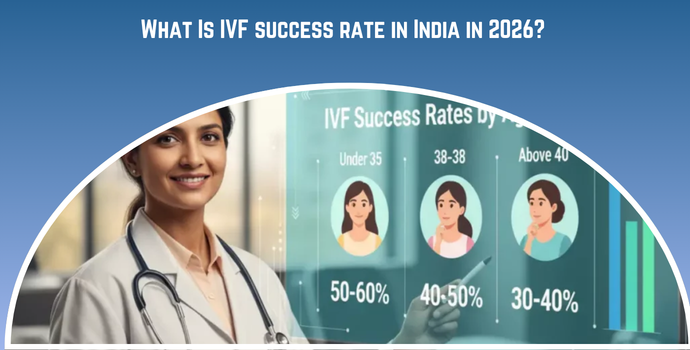
The average IVF success rate in India currently stands between 35 to 40% per cycle. Women under 35 have the highest success rates achieving between 50 to 60% per cycle because of better ovarian reserve and egg quality. Between 35 and 37 that number drops to roughly 40-50% as egg quality and quantity start declining. After 40 success rates fall below 20% with own eggs and donor eggs can push that back up to 60-70%. First cycle success sits at approximately 30-35% but cumulative rates increase with each additional cycle. India performs roughly 2 to 3 lakh IVF cycles per year with metro cities showing higher success rates due to better lab infrastructure and experienced embryologists.
According to Dr. Hrishikesh Pai, renowned IVF Doctor in India, “Success rates are numbers on paper but what matters is getting the protocol right for each individual patient because one size never fits all in IVF.”
Planning IVF and want to know what success rate applies to your specific age and diagnosis? Book Appointment
What affects IVF success rates the most?
Female age is the single most important factor affecting IVF success rates with women under 35 achieving 50-60% per cycle while women over 42 fall below 5% with their own eggs. Embryo quality and the underlying cause of infertility and lifestyle choices like smoking and obesity directly influence fertilization and implantation outcomes. Clinics with experienced embryologists and advanced lab technologies like time-lapse monitoring and AI embryo selection consistently report higher pregnancy rates.
- Age: Under 35 and your odds are genuinely good sitting between 50-60% per cycle. Cross 38 and things start looking different. Past 42 most doctors will tell you straight up that using your own eggs brings the number below 5% and that’s when donor egg conversations begin
- Embryo Quality: You could have 15 eggs retrieved and only 3 make it to blastocyst stage. The ones that do make it still vary in quality. PGT-A tested embryos have higher implantation rates because the chromosomally normal ones get selected and the rest don’t go in
- Clinic Technology: Labs running time-lapse incubators and AI embryo grading like Life Whisperer see measurably better outcomes. Not all clinics have this. Not all clinics invest in it. The difference between a basic lab and an advanced one shows up directly in your pregnancy report
- Sperm Quality: Male factor gets overlooked a lot. But poor morphology or DNA fragmentation in sperm tanks embryo quality even when the eggs are perfect. Couples dealing with male infertility treatment alongside IVF tend to get better results once sperm selection is optimized through ICSI or IMSI
Success rates published by clinics reflect averages across all patients. Your individual number depends on your age and diagnosis and protocol. More about the treatment process itself is covered on the IVF treatment page.
How can you improve your IVF success rate?
Improving IVF success involves optimizing egg and sperm quality and uterine health 3 to 6 months before starting treatment. Key strategies include maintaining a BMI between 19-25 and eating a nutrient-rich diet and taking supplements like folic acid and CoQ10 and Vitamin D. Quitting smoking and alcohol at least three months before the cycle reduces follicle damage and improves egg quality measurably while strictly following medication protocols and clinic schedules directly impacts cycle outcomes.
- Weight Management: BMI over 30 means your ovaries respond poorly to stimulation drugs and implantation rates drop. BMI under 19 causes hormonal disruption that’s just as bad. Getting into the 19-25 range before starting a cycle gives your body the best shot at responding the way it needs to
- Quit Smoking: Three months minimum before your cycle starts. Cigarette toxins damage eggs at a cellular level and the effects don’t reverse overnight. Women who quit early enough see a real difference in egg numbers at retrieval compared to those who didn’t stop in time
- Supplements: CoQ10 and Vitamin D and DHEA are commonly prescribed 2 to 3 months before IVF to support egg quality. These aren’t magic pills. But published data shows measurable improvements in ovarian stimulation response for women who took them consistently before starting
- Multiple Cycles: First cycle didn’t work and that’s discouraging but not unusual. Cumulative success rates climb significantly by the third cycle. Some couples who failed the first round end up pregnant on the second or third attempt with a tweaked protocol
Choosing the right clinic matters as much as anything else. A centre with published success rates and transparent reporting gives you a real picture not a marketing number. How to manage expectations after a failed cycle is covered in this guide on heavy period after failed embryo transfer.
Why Choose Dr. Hrishikesh Pai?
His team runs complete hormonal panels and imaging and tubal assessments before recommending any treatment. He has delivered keynote lectures at FIGO World Congress and been featured on BBC World Service for his work in egg freezing and reproductive medicine. Call +91-98200 57722 to book your consultation.
Frequently Asked Questions
What is the average IVF success rate in India?
The average IVF success rate in India is 35 to 40% per cycle.
Does age affect IVF success rates significantly?
Yes women under 35 have 50-60% success while over 40 drops below 20%.
Can multiple IVF cycles improve chances?
Yes cumulative success rates increase significantly by the second or third cycle.
Do donor eggs improve success for older women?
Yes donor eggs can raise success rates to 60-70% regardless of recipient age.
References
- ART in India retrospective data – National Library of Medicine
- Infertility and ART – World Health Organization