
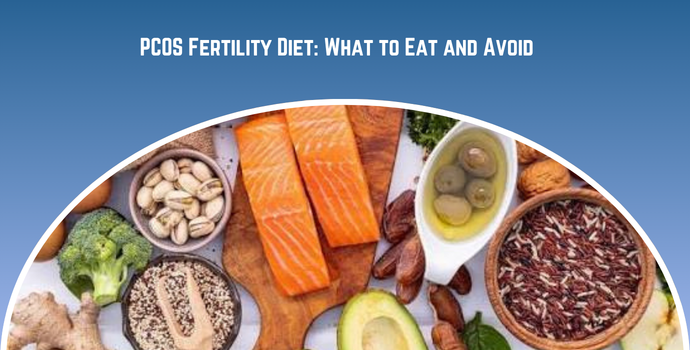
Insulin resistance and chronic inflammation are what actually drive most of what PCOS does to the body. They disrupt ovulation, affect egg quality and make conception harder than it needs to be. The dietary fix isn’t complicated in principle: lower glycaemic foods, fewer refined carbohydrates, less inflammatory fat. Do that consistently and the hormonal environment starts shifting in a direction that supports pregnancy. PCOS isn’t purely a reproductive condition. Once insulin starts behaving, a lot of what follows, irregular cycles, elevated androgens, poor ovulation, tends to settle with it.
According to Dr. Hrishikesh Pai, a leading IVF Doctor in India, “Diet doesn’t replace treatment, but it changes the baseline treatment works from. For many women with PCOS, what they eat is directly changing how their hormones behave.”
What Should Women With PCOS Actually Eat?
There is no single PCOS diet, and anyone presenting one should be questioned. What the research actually supports is a direction: low glycaemic, high fibre, anti-inflammatory. The Mediterranean approach keeps showing up in trials not because it’s fashionable but because it fits that description without making daily eating feel like a protocol.
Whole grains over refined ones: Oats, brown rice, quinoa, whole wheat. These slow insulin rise and reduce androgen production in the ovaries.
Vegetables and legumes, every day Lentils, chickpeas, spinach, broccoli, beans. Fibre slows glucose absorption and supports oestrogen metabolism. PCOS-specific, not generic advice.
Protein at every meal: Eggs, fish, chicken, tofu, paneer. Stabilises blood sugar and reduces insulin swings that worsen PCOS symptoms.
Healthy fats over saturated ones Olive oil, nuts, avocado, fatty fish. Omega-3s from fish, flaxseed and walnuts improve androgen levels and cycle regularity in PCOS trials.
Low-GI fruits Berries, apples, pears, guava. Mango, banana and watermelon are fine occasionally, not as a daily staple.
Inositol-containing foods: Citrus fruits, whole grains, legumes, nuts. Inositol improves insulin signalling and has been studied for ovulation outcomes in PCOS.
The Mediterranean pattern has the most consistent evidence across published PCOS trials. Consistent direction matters more than perfect adherence. Women wanting this built into a fertility plan should raise it as part of PCOS fertility treatment rather than managing food and medicine separately.
What Makes PCOS Worse and Quietly Destroys Ovulation?
Most women with PCOS know sugar is working against them. What tends to catch people off guard is how quickly specific foods produce a hormonal response, and how precisely that response targets ovulation.
Refined carbohydrates and sugar: White rice, white bread, maida, pastries, packaged cereals spike insulin within the hour. In PCOS that triggers androgen release from the ovaries the same day.
Ultra-processed and fast food: Ready meals, packaged snacks, instant noodles combine saturated fat, refined starch and sodium, hitting inflammation and insulin pathways at once.
Sugary drinks: Juice, sweetened chai, energy drinks, cold drinks. Liquid sugar absorbs faster than solid food with no fibre to slow it. A glass of juice does more hormonal damage than eating the actual fruit.
Alcohol: Interferes with oestrogen clearance in the liver and chips away at insulin sensitivity over time. Regular drinking adds hormonal instability to an already dysregulated system.
Understanding how PCOS affects fertility at the ovulation level makes all of this easier to act on. These food changes produce hormonal responses faster than most expect, often within weeks. For women managing PCOS alongside fertility treatment, a proper assessment helps establish whether dietary changes alone are enough or whether medical support is needed too.
Why choose Dr. Hrishikesh Pai?
Male factor investigations at Bloom IVF go beyond standard semen analysis when the picture isn’t clear. DNA fragmentation, hormonal profiling and urological assessment are brought in when the initial report raises questions rather than answers them.
Want to understand how diet fits your PCOS plan?
Frequently Asked Questions
Can changing diet alone restore ovulation in PCOS?
In mild cases, yes. Consistent low-GI eating has restored regular cycles without medication in published studies. For moderate to severe PCOS, diet works best alongside medical treatment rather than replacing it.
How long before dietary changes affect PCOS hormones?
Faster than most expect. Insulin and androgen changes have been measured within 4 to 8 weeks of consistent low-GI eating in clinical trials. Cycle regularity usually follows over 2 to 3 months.
Is keto or low-carb good for PCOS?
Both show real benefit for insulin resistance and ovulation in PCOS. One published study found keto restored regular menstrual cycles in every participant. The practical question is sustainability. Low-GI is easier to maintain long term for most people.
Does losing weight help PCOS fertility specifically?
Yes. Even a 5 to 10% reduction in body weight in overweight women with PCOS has been shown to restore ovulation and improve IVF outcomes. Diet-driven weight loss is more effective than plain calorie cutting because it targets insulin resistance directly.
References
Dietary Modification for Reproductive Health in Women With Polycystic Ovary Syndrome: A Systematic Review and Meta-Analysis – PMC, National Library of Medicine
Dietary Approaches to Women’s Sexual and Reproductive Health – PMC, National Library of Medicine