
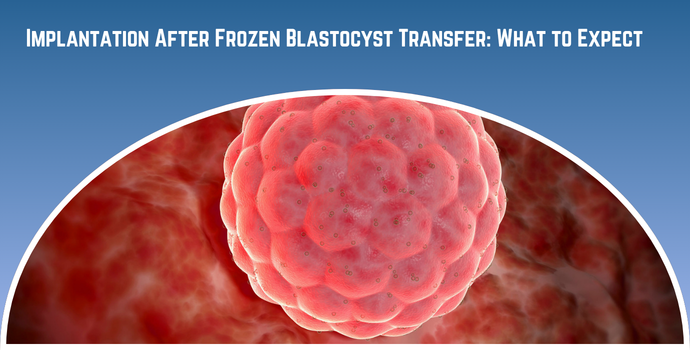
Implantation after frozen blastocyst transfer usually begins within 1 to 3 days post-transfer, completing fully by day 5 to 7. A blastocyst is a 5-day-old embryo, already past early developmental stages, so it attaches to the uterine lining faster than fresh day-3 embryos do.
According to Dr. Hrishikesh Pai, a renowned IVF doctor in India, “Frozen blastocyst transfer allows embryo transfer in a later cycle after ovarian stimulation, which may improve endometrial receptivity in some patients.”
When Does Implantation Occur After Frozen Blastocyst Transfer?
A frozen blastocyst is a day-5 embryo preserved through vitrification, a flash-freezing technique. Once thawed on the day of transfer, it skips the earlier developmental stages a fresh embryo would normally need before implanting. So the timeline runs quicker than with day-3 transfers.
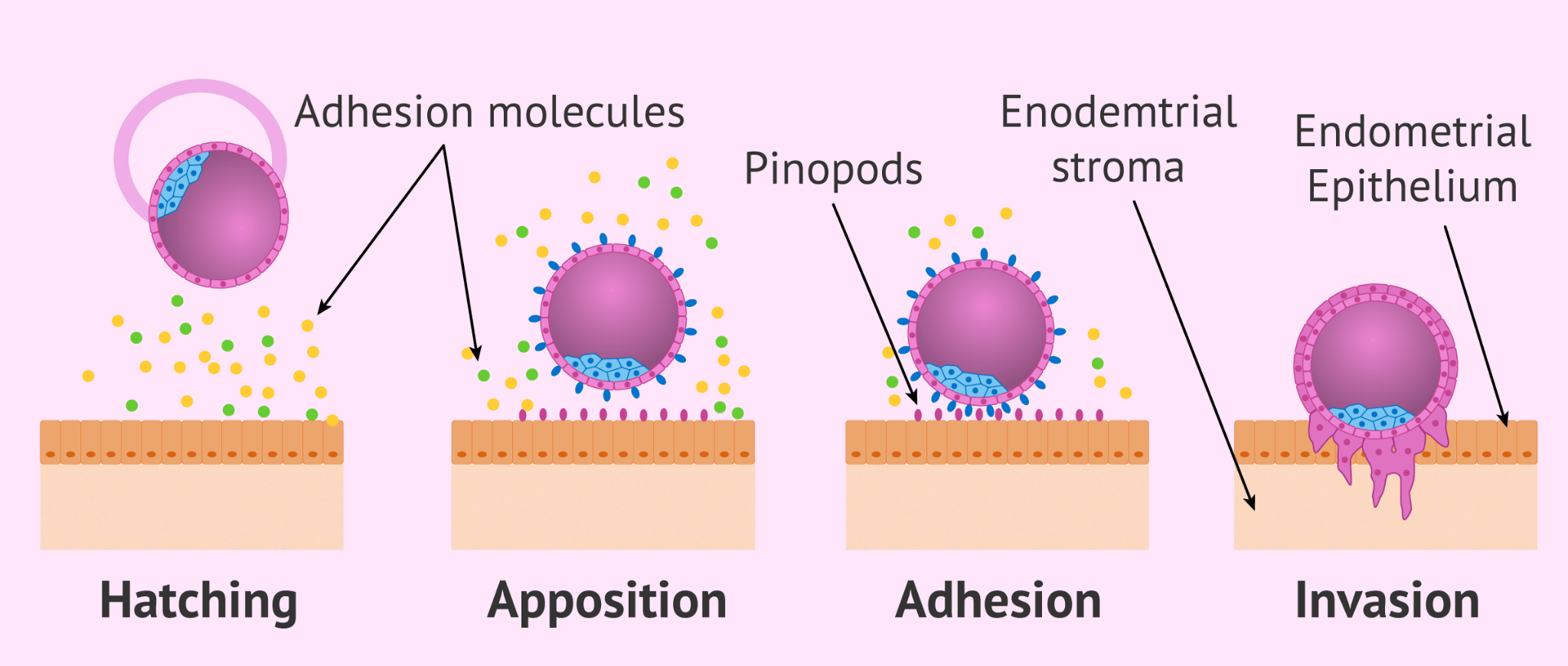
Here is the standard implantation sequence:
Day 1: The embryo hatches from the zona pellucida, its protective outer shell.
Day 2: The blastocyst attaches to the uterine lining.
Day 3-4: Cells begin invading the endometrium and forming early placental connections.
Day 5-7: The developing trophoblast begins producing beta-hCG, which later becomes detectable in blood tests.
A blood beta-hCG test scheduled around day 9 to 12 post-transfer confirms pregnancy more reliably than urine-based home kits, which often produce false negatives this early. The full frozen embryo transfer protocol is timed to the receptive window of your endometrium, not a calendar date.
Implantation concerns? Book an appointment with Dr. Hrishikesh Pai for a customized FBT consultation.
What Are the Signs and Symptoms of Implantation?
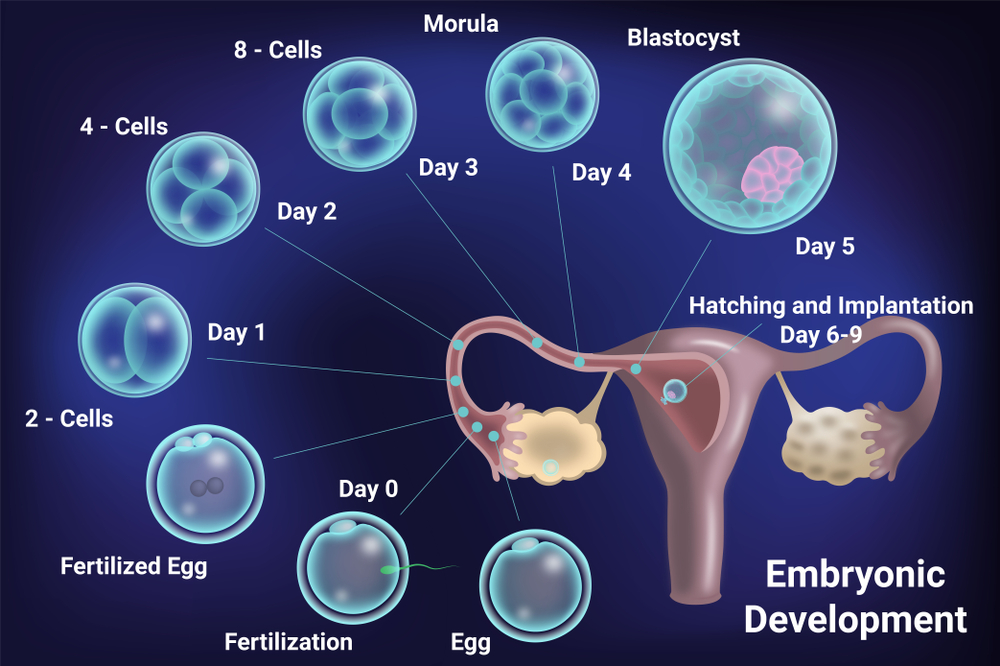
Most women feel nothing. Some notice subtle changes, but here’s the catch: progesterone given after FET mimics nearly every early-pregnancy symptom, making interpretation tricky.
Common signs reported during the implantation window include:
Spotting: Light pink or brown discharge around day 2 to 5, much lighter than a period.
Cramping: Mild pulling or twinging in the lower pelvis, similar to PMS but gentler.
Breast tenderness: Soreness from rising progesterone, not always implantation-specific.
Fatigue: Sudden tiredness from hormonal shifts.
Importantly, the presence or absence of symptoms does not reliably predict pregnancy outcome. Only the beta-hCG blood test gives a real answer. Some patients also worry about post-procedure spotting, but light spotting during the implantation window is usually harmless and not a sign of failure.
What Factors Influence Successful Implantation?
Implantation success depends on three things: embryo quality, endometrial receptivity, and the synchronization between them. Even a top-grade blastocyst fails if the uterus is not ready.
Key factors that decide the outcome:
Embryo grade: Top-quality 5AA or 4BB blastocysts implant at higher rates than lower-grade ones.
Endometrial thickness: 7o 12 mm at transfer correlates with the best pregnancy outcomes.
Hormonal support: Progesterone and estrogen levels must stay within target ranges through the early weeks of pregnancy
Uterine environment: Fibroids, polyps, hydrosalpinx, or chronic endometritis lower success rates.
Lifestyle factors: Smoking, BMI above 30, and uncontrolled thyroid issues all reduce implantation odds.
This is also why extended blastocyst culture matters so much. Growing embryos to day 5 lets embryologists select embryos with better developmental potential. Blastocyst transfers are associated with higher implantation rates per transfer in many IVF programs
Planning pregnancy after hydrosalpinx surgery? Book Appointment with Dr. Hrishikesh Pai for a personalized post-op fertility plan.
What Should You Avoid During the Implantation Period?
The 10 to 14 days between transfer and beta test feel longer than they are. There is no good evidence that strict bed rest improves implantation. But certain behaviors genuinely lower success rates.
What to skip during this window:
Strenuous exercise: Heavy lifting or hot yoga can stress the uterine environment.
Hot baths and saunas: Core body temperatures above 38°C may affect early embryo development.
Alcohol and smoking: Both reduce endometrial blood flow and damage early embryonic
High caffeine: Keep intake under 200 mg per day, roughly one regular cup of coffee.
Skipping medications: Missing progesterone doses is the most preventable cause of FET failure.
Chronic stress: Sustained cortisol spikes can interfere with implantation biology.
Continue with normal daily activity. Eat balanced meals. Keep your follow-ups. Patients who have had repeated IVF failures should flag any unusual symptoms early instead of waiting for beta day.
Worried about implantation success? Book Appointment with Dr. Hrishikesh Pai for a personalized FBT consultation.
When To Contact Your Doctor
Most patients wait until beta day to call. That’s a mistake. Some symptoms during the implantation window genuinely need a fertility specialist’s eyes, not Google’s.
Reach out to your doctor right away if you notice:
- Heavy bleeding: Bright red flow soaking a pad in an hour, beyond mild spotting.
- Severe cramping: Sharp, persistent pelvic pain that worsens instead of fading.
- High fever: Temperature above 38°C, which may signal infection.
- Vomiting or dizziness: Could indicate ovarian hyperstimulation or hormonal imbalance.
- Missed progesterone dose: Call before adjusting on your own. Skipping support is the top preventable cause of FET failure.
Dr. Hrishikesh Pai, an IVF specialist in Mumbai with over 40 years of experience, recommends scheduling a follow-up the moment any red flag appears, even if beta day is still a week out. Early intervention often saves cycles that would otherwise fail silently.
Frequently Asked Questions
How many days after frozen blastocyst transfer does implantation occur?
Implantation begins 1 to 3 days after transfer and completes between day 5 and day 7.
Can I detect implantation symptoms after FBT?
Most women feel nothing. Spotting, mild cramping, or fatigue may occur but stay unreliable indicators.
When should I take a pregnancy test after FBT?
Wait for the scheduled beta-hCG blood test on day 9 to 12 post-transfer for an accurate confirmation.
Is bed rest necessary after frozen embryo transfer?
No. Studies show strict bed rest does not improve implantation rates. Patients can continue normal daily activities after transfer.