
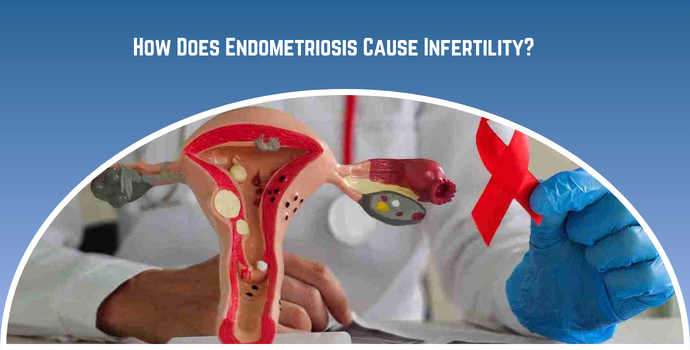
Endometriosis is an estrogen-dependent inflammatory condition where tissue similar to the uterine lining grows outside the uterus on ovaries and fallopian tubes and pelvic structures affecting approximately 10% of reproductive age women. Between 30-50% of women with endometriosis experience infertility through multiple mechanisms including pelvic adhesions and tubal scarring and chronic inflammation and altered egg quality and impaired implantation. Monthly conception chance drops from 15-20% in unaffected women to 2-10% with endometriosis.
According to Dr. Hrishikesh Pai, renowned IVF Doctor in India, “Endometriosis hides for years because the symptoms get dismissed as normal period pain. By the time fertility becomes the concern the damage is often already done.”
How does endometriosis damage fertility?
Multiple pathways. Not just one. The tissue grows where it shouldn’t. It bleeds with every cycle. That bleeding triggers inflammation. The inflammation creates scar tissue. Scar tissue distorts anatomy. And the whole time the immune environment inside the pelvis is shifting in ways that make it harder for sperm to reach eggs and harder for embryos to implant.
- Tubal and Pelvic Adhesions: Endometrial deposits on the fallopian tubes and ovaries form adhesions that physically block or distort the path between ovary and uterus. Stage 3 and 4 endometriosis causes significant anatomical distortion and in severe cases the tubes are completely sealed shut by scar tissue requiring fertility treatment to bypass them
- Chronic Inflammation: Every menstrual cycle the misplaced tissue bleeds and triggers an inflammatory response that produces cytokines and prostaglandins toxic to sperm and eggs and embryos. This inflammatory environment in the peritoneal fluid reduces fertilization rates even when the anatomy looks relatively normal
- Egg Quality Decline: Endometriomas on the ovaries (chocolate cysts) damage surrounding ovarian tissue and reduce both egg quantity and quality. Women with ovarian endometriomas have lower AMH levels and fewer antral follicles and the eggs retrieved from affected ovaries show higher rates of chromosomal abnormalities
- Impaired Implantation: Endometriosis alters the endometrial lining even inside the uterus making it less receptive to embryo implantation. Studies show altered gene expression in the endometrium of women with endometriosis during the implantation window which may explain why some women with minimal visible disease still struggle to conceive
The disease is staged from 1 (minimal) to 4 (severe) based on location and depth and extent of tissue. More about diagnosis on the female infertility treatment page.
What are the treatment options for endometriosis-related infertility?
Depends on the stage and your age and how long you’ve been trying. Mild endometriosis in a woman under 35 might respond to surgical removal followed by natural conception. Severe stage 4 with bilateral endometriomas and tubal damage. That’s going straight to IVF because surgery alone won’t restore enough function.
- Laparoscopic Surgery: Removing or destroying endometrial deposits and adhesions through laparoscopy improves pregnancy rates in Stage 1-2 endometriosis. Post-surgical natural conception rates range from 30-40% within 12 months. But endometriosis recurs in 20-40% of cases within 5 years and repeat surgery carries diminishing returns for IVF treatment candidates
- IVF for Severe Cases: Stage 3-4 endometriosis with tubal damage or large endometriomas is best treated with IVF which bypasses the damaged anatomy entirely. IVF success rates are slightly lower in endometriosis patients with studies showing 10-20% reduced pregnancy rates compared to tubal factor alone but outcomes improve significantly after surgical treatment of endometriomas before starting IVF
- Hormonal Suppression: GnRH agonist treatment for 3-6 months before IVF can suppress endometriosis activity and improve the pelvic environment for embryo transfer. However hormonal suppression alone does not improve natural fertility and should not be used as standalone treatment when pregnancy is the goal
- Egg Freezing Early: Women diagnosed with endometriosis in their 20s or early 30s should consider egg freezing before the disease further reduces ovarian reserve because endometriomas progressively damage surrounding ovarian tissue with each passing year
Treatment is always individualized. What works for stage 1 at age 28 is completely different from what’s needed for stage 4 at age 39. How PCOS overlaps with endometriosis is covered in this guide on getting pregnant with PCOS after 30.
Why Choose Dr. Hrishikesh Pai?
Dr. Hrishikesh Pai has been doing this for over 40 years. MD and FRCOG (UK-HON) and MSc (USA) and FCPS and FICOG. He started the Bloom IVF Group and the count is past 25,000 IVF cycles across eight centers. Lilavati Hospital Mumbai and DY Patil Navi Mumbai and Fortis in Delhi and Gurgaon and Mohali. His labs run Life Whisperer AI for picking the best embryos.
Hormonal workups and imaging and tubal checks happen before anything gets recommended. FIGO World Congress keynote speaker. BBC World Service feature on egg freezing.
Book your consultation today to understand how endometriosis may be affecting your fertility and explore the right treatment options.Contact an IVF doctor in Mumbai expert guidance .
Frequently Asked Questions
Can you get pregnant with endometriosis?
Yes 60-70% of women with endometriosis conceive naturally or with treatment depending on stage.
What stage of endometriosis causes infertility?
All stages can affect fertility but Stage 3-4 with tubal damage causes the most difficulty.
Is IVF recommended for endometriosis patients?
IVF is recommended for Stage 3-4 or when surgery and natural conception have not succeeded.
Does endometriosis surgery improve pregnancy chances?
Yes laparoscopic removal improves natural conception rates to 30-40% within 12 months.
References
- Endometriosis and infertility – National Library of Medicine
- Inflammation and endometriosis-associated infertility – National Library of Medicine