
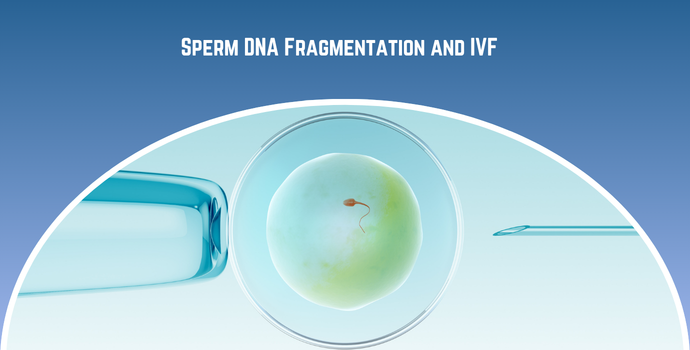
A standard semen analysis measures count, motility and morphology. It tells you nothing about the DNA inside the sperm. Fragmentation refers to breaks or damage in the genetic material a sperm carries. A sperm can look completely normal and still carry enough DNA damage to affect fertilisation, embryo development and pregnancy outcomes. It is one of the most underdiagnosed contributors to male infertility, most relevant when IVF keeps failing despite good embryo grades.
According to Dr. Hrishikesh Pai, a leading IVF Doctor in India, “A normal semen report does not rule out DNA fragmentation. When couples have good embryos and repeated failure, this is one of the first things we investigate on the male side.”
What Causes High Sperm DNA Fragmentation?
DNA damage builds up through several routes. Some are reversible with the right intervention. Others require a change in treatment strategy altogether.
Oxidative stress: The most common driver. Reactive oxygen species from smoking, alcohol, poor diet, infection and environmental toxins damage sperm DNA directly during production. The testes have limited natural defence against this.
Varicocele: An enlarged scrotal vein raises testicular temperature and drives up oxidative stress. It is one of the most consistently identified causes of elevated fragmentation, and surgical correction brings the index down measurably.
Heat exposure: Sperm DNA is vulnerable to temperature during production. Prolonged sitting, tight underwear, laptop use and hot baths are all contributing factors that most men have not been told about.
Age: Past 40, fragmentation rates rise steadily. Older paternal age is associated with worse IVF and ICSI outcomes independent of what the female workup shows.
Genital tract infections: Prostatitis and epididymitis trigger inflammatory responses that damage sperm DNA. Both frequently go undetected in standard investigations.
Cancer treatment: Chemotherapy and radiation damage sperm DNA directly. Levels can remain elevated for months after treatment ends.
Clinics generally use a DNA fragmentation index above 25 to 30% as the threshold for intervention. Above that, both natural conception rates and IVF outcomes are meaningfully affected. Men with elevated fragmentation should get a full investigation under male infertility treatment before any further cycle is planned.
How Does Sperm DNA Fragmentation Affect IVF and What Can Be Done?
In natural conception, heavily fragmented sperm rarely fertilise successfully. In ICSI, fertilisation can still happen because the sperm is injected directly. The damage tends to show up later, in how embryos develop and whether they implant.
Effect on IVF outcomes: Lower fertilisation rates, arrested embryo development, higher miscarriage rates, lower live birth rates. These effects appear even when the semen report and embryo grades look fine on paper.
Antioxidant therapy: Vitamins C and E, coenzyme Q10, carnitine. These reduce oxidative stress and bring the fragmentation index down over a 3-month treatment course, which is roughly how long a new sperm cycle takes to complete.
Varicocele repair: For men with a palpable varicocele, microsurgical correction is one of the most evidence-backed interventions for reducing fragmentation and improving IVF outcomes.
Lifestyle changes: Stopping smoking, cutting alcohol, avoiding heat exposure, improving diet. These address the most modifiable causes and cost nothing to start.
Testicular sperm extraction (TESE): When ejaculate fragmentation stays high despite treatment, sperm taken directly from the testis tends to carry less DNA damage. Using testicular sperm in ICSI has shown improved embryo quality and live birth rates in this group.
For couples navigating unexplained IVF failure, fragmentation testing should be part of the full investigation rather than an afterthought. For more on where fragmentation fits into the broader male workup, the guide on semen analysis covers what standard parameters show and what they miss.
Why choose Dr. Hrishikesh Pai?
Dr. Hrishikesh Pai has been a fertility specialist for over 40 years. MD, FRCOG (UK-HON), MSc (USA), FCPS, FICOG. He founded the Bloom IVF Group from the ground up, now past 25,000 cycles across eight centres in Mumbai, Navi Mumbai, Delhi, Gurgaon and Mohali. The labs run Life Whisperer AI for embryo grading because manual assessment alone has limits.
Male factor investigation at Bloom IVF goes beyond standard semen analysis. When fragmentation is suspected, DNA integrity testing, hormonal profiling and urological assessment are added before the next cycle is designed.
Concerned about unexplained IVF failure?
Frequently Asked Questions
Can sperm DNA fragmentation be tested at home?
No. It requires laboratory testing using TUNEL, SCSA or the Comet assay, done at a fertility clinic or andrology lab.
Does high DNA fragmentation mean IVF will not work?
Not necessarily. IVF and ICSI can still succeed, but odds are lower and miscarriage risk is higher. Treating fragmentation before the cycle improves outcomes.
How long does it take to reduce sperm DNA fragmentation?
Sperm take 72 days to develop. Most interventions show improvement after 3 months. A repeat test at that point gives an accurate picture.
Is sperm DNA fragmentation tested in a standard semen analysis?
No. It is a separate test. A normal semen report does not rule out significant DNA fragmentation.
References
Sperm DNA Fragmentation: Causes, Evaluation and Management in Male Infertility – PMC, National Library of Medicine
Sperm DNA Fragmentation: Unraveling Its Imperative Impact on Male Infertility Based on Recent Evidence – PMC, National Library of Medicine