
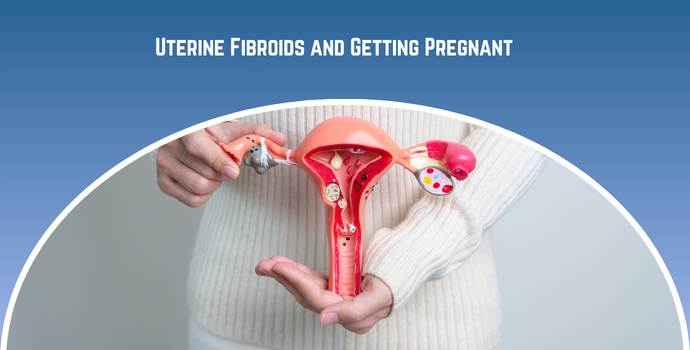
Most women with uterine fibroids conceive without any intervention. Present in 20 to 50% of women of reproductive age, the vast majority carry pregnancies without complication. Where fibroids become relevant to fertility is specific: type, size and location determine the risk, not the diagnosis itself. A fibroid on the outer wall is a different clinical problem from one sitting inside the cavity.
According to Dr. Hrishikesh Pai, a leading IVF Doctor in Delhi, “A fibroid diagnosis is not a fertility diagnosis. What matters is where it sits and what it’s doing. Most women with fibroids will never need intervention to conceive or carry a pregnancy.”
How Do Fibroids Affect Fertility and Pregnancy?
The relationship between fibroids and fertility is almost entirely determined by location. Three types, three very different clinical pictures.
Submucosal fibroids (inside the cavity): Highest fertility risk. Distort the implantation surface, impair blood flow and reduce implantation rates. Surgical removal consistently improves outcomes.
Intramural fibroids (within the uterine wall): Impact varies. Small ones rarely cause problems. Above 4 to 5 cm or pressing against the endometrium, implantation becomes harder.
Subserosal fibroids (outer surface): Least concerning. Generally don’t affect fertility or pregnancy outcomes. Typically left alone.
During pregnancy, most fibroids don’t cause complications. Risks like preterm labour or malpresentation are more likely with large or poorly positioned fibroids, but these are elevated risks, not certainties. For women with confirmed cavity-distorting fibroids, laparoscopic surgery or hysteroscopic removal is worth discussing before fertility treatment starts.
When Do Fibroids Actually Need to Be Treated Before Trying to Conceive?
Not every fibroid warrants intervention. The decision is case-specific and involves weighing what the fibroid is actively doing against the risks of removing it.
Submucosal fibroids distorting the cavity: are the clearest case for treatment. Hysteroscopic resection is the standard outpatient, no external incisions, and the evidence for improved pregnancy rates after removal is consistent across multiple studies.
Intramural fibroids above 4 to 5 cm near the endometrium: are commonly removed before IVF when other causes of infertility have been ruled out and when the fibroid’s position suggests it’s affecting implantation. The benefit evidence is less definitive here, but the clinical consensus generally supports removal in this group.
Subserosal and pedunculated fibroids: are typically left alone. Removing them carries the standard risks of myomectomy adhesions, wall thinning, recovery time without the fertility benefit.
Fibroids found incidentally during fertility investigations: don’t automatically need removal. The question isn’t whether a fibroid exists but whether it’s in a position to explain the fertility problem or affect pregnancy outcomes. A fibroid discovered alongside low AMH or a male factor result is a different clinical picture from a fibroid discovered in an otherwise normal workup.
For women weighing all of this, a detailed assessment with an experienced IVF Doctor in India maps the fibroid against the full fertility picture before any decision is made. The guide on semen analysis covers how male factor investigation runs in parallel, since fertility is rarely a one-sided picture.
Why choose Dr. Hrishikesh Pai?
Dr. Hrishikesh Pai has been a fertility specialist for over 40 years. MD, FRCOG (UK-HON), MSc (USA), FCPS, FICOG. He founded the Bloom IVF Group, now past 25,000 IVF cycles across eight centres in Mumbai, Navi Mumbai, Delhi, Gurgaon, and Mohali. The labs run Life Whisperer AI for embryo grading because manual assessment alone has limits.
Fibroid management at Bloom IVF is decided case by case. Not every fibroid needs removal before IVF. When it does, the surgical approach, the timing relative to the cycle and the post-operative cavity check are planned together not in separate conversations.
Concerned about fibroids and your fertility?
Frequently Asked Questions
Can I get pregnant naturally with fibroids?
Most women with fibroids do, without any intervention. Fibroids are the sole cause of infertility in only 2 to 3% of cases. Whether a fibroid is relevant to fertility at all comes down to its type and location, not the diagnosis itself.
Do fibroids cause miscarriage?
Some do, some don’t. Submucosal fibroids that distort the cavity carry the highest miscarriage risk. Large intramural fibroids may also be a factor. Subserosal fibroids on the outer wall generally aren’t linked to miscarriage at all.
Will fibroids grow during pregnancy?
Most don’t change significantly. A smaller number grow in the first trimester when oestrogen is high. The ones worth monitoring are large fibroids or those sitting close to the placenta, as these are more likely to cause symptoms.
Does fibroid removal guarantee a successful pregnancy?
No, and it’s worth being clear about that. Removing a cavity-distorting fibroid improves implantation conditions, but pregnancy outcomes depend on age, ovarian reserve, embryo quality and the broader fertility picture. Myomectomy addresses one variable, not all of them.
References
Currently Available Treatment Modalities for Uterine Fibroids – PMC, National Library of Medicine
Minimally Invasive Myomectomy: A Systematic Review of Techniques, Challenges, and Fertility Outcomes – PMC, National Library of Medicine