
Early Signs of Infertility Women Shouldn’t Ignore?
Irregular periods, painful cycles, and unexplained hormonal changes are often the earliest warning signs of infertility in women. These signs can show up years before a woman actively starts trying to conceive, which is exactly why they get dismissed as normal....
Does Age Affect Male Fertility Too?
Male fertility does decline with age, though far more gradually than female fertility does. Sperm count often stays fairly stable into a man’s fifties and sixties, but sperm motility, morphology, and DNA integrity all drop steadily after around age 40 to 45....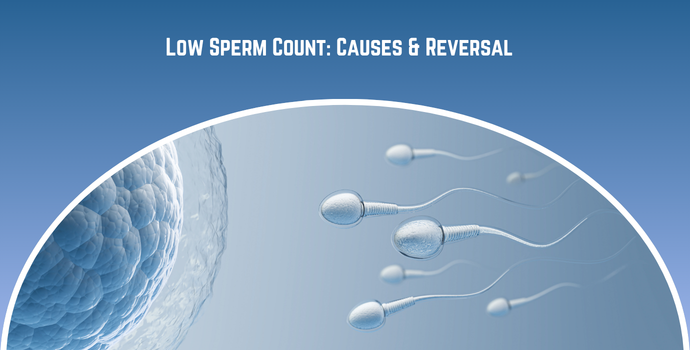
Can Low Sperm Count Be Reversed?
Low sperm count, or oligospermia, can often be reversed once you know what’s actually causing it. Below 15 million sperm per millilitre of semen counts as low. But numbers alone don’t tell you much, motility and shape matter just as much as the count on...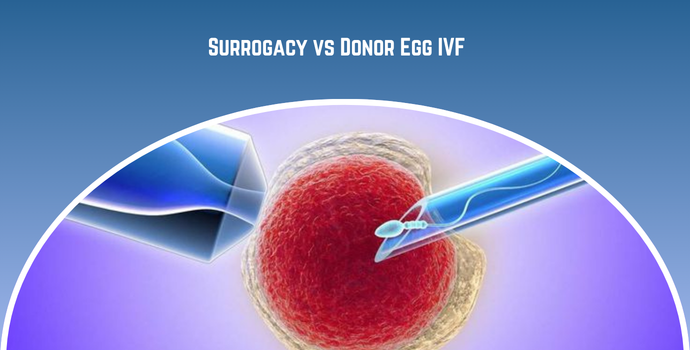
Surrogacy vs Donor Egg IVF: What Is the Difference?
Surrogacy and donor egg IVF solve different problems. Surrogacy is needed when a woman cannot carry a pregnancy. Donor egg IVF is needed when she cannot produce viable eggs. The two are not interchangeable, and identifying which problem applies determines the entire...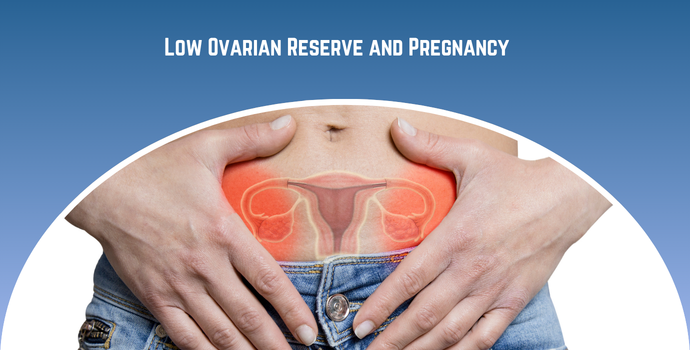
Can You Get Pregnant With Low Ovarian Reserve?
Yes, but the picture is more nuanced than the number suggests. Low ovarian reserve means fewer eggs are left, not that conception is impossible. Egg quality drives outcomes far more than quantity, and quality is primarily determined by age. A 32-year-old with AMH of...
Dr. Hrishikesh Pai