
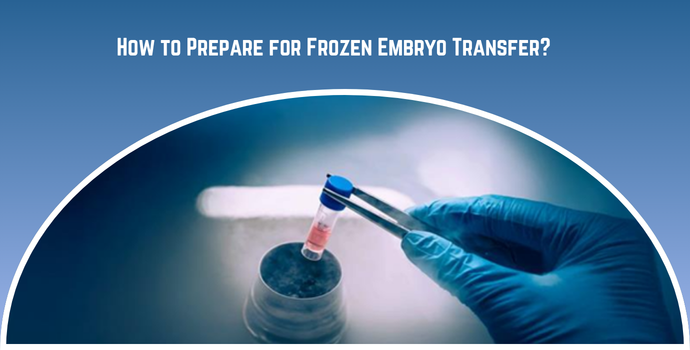
Frozen embryo transfer preparation takes 3-4 weeks focusing on building a receptive uterine lining through estrogen and progesterone medications with regular ultrasound monitoring. Estrogen thickens the endometrium to an ideal 8-12 mm over the first 2 weeks and progesterone begins 5-6 days before transfer to create the implantation window. Over 99% of vitrified embryos survive thawing and FET success rates are comparable to or slightly higher than fresh transfers.
According to Dr. Hrishikesh Pai, renowned IVF Doctor in India, “The embryo does its part. Your job is making sure the lining is thick enough and the progesterone timing is right because that window of receptivity only stays open for about 48 hours.”
What medications and monitoring are needed before FET?
Two phases. First 2 weeks is estrogen to grow the lining. Week 3 is when progesterone starts. Transfer happens on day 6 of progesterone exposure. Ultrasounds every few days check how the lining is responding. If it’s not thick enough or the pattern doesn’t look right the cycle gets pushed back until it does.
- Estrogen Phase: Oral estradiol or patches or vaginal estrogen starting on cycle day 2-3. The goal is endometrial thickness of 8-12 mm with a trilaminar pattern on ultrasound. Takes about 10-14 days. Some women respond faster and some need an extra week but the lining has to look right before progesterone begins
- Progesterone Phase: Injections or vaginal progesterone start once the lining is confirmed at 8 mm or above. Transfer is scheduled exactly 5-6 days after progesterone begins because that’s when the endometrial receptivity window opens through fertility treatment protocols. Timing here is precise down to the hour
- Monitoring: Ultrasound checks lining thickness and pattern every 3-5 days during the estrogen phase. Blood work measures estradiol and progesterone levels to make sure the hormones are where they need to be. If estrogen is too low the dose goes up. If the lining stalls the cycle may get canceled and restarted next month
- Natural vs Medicated Cycle: Some clinics offer natural FET where your own ovulation cycle prepares the lining without medications. Works best for women with regular 28-30 day cycles. Medicated cycles give more scheduling control and don’t depend on when you naturally ovulate which is why most clinics prefer them
No ovarian stimulation. No egg retrieval. No sedation. FET is significantly less physically demanding than a fresh IVF cycle. More about the full process on the frozen embryo transfer page.
What lifestyle changes improve FET success?
Lining quality isn’t just about medications. Blood flow to the uterus matters. Inflammation matters. Stress hormones interfere with implantation. The 2-4 weeks before transfer are when small changes in diet and activity and sleep can actually move the needle on outcomes.
- Diet: Mediterranean style eating with leafy greens and healthy fats and lean protein supports endometrial blood flow. Avoid processed foods and excess sugar. Folic acid at 400-800 mcg daily plus Vitamin D if levels are below 30 ng/ml through IVF treatment preparation. Iron-rich foods if ferritin is low
- Exercise: Moderate activity like walking 30 minutes a day keeps blood flowing to the pelvis. But no heavy lifting and no high-intensity workouts during the progesterone phase. Ovaries are back to normal size after FET unlike fresh cycles so regular exercise during the estrogen phase is fine
- Stress Management: Elevated cortisol reduces uterine blood flow and may interfere with implantation. Yoga and meditation and acupuncture in the weeks before transfer are commonly recommended. One study found women who did acupuncture before and after transfer had higher pregnancy rates than those who didn’t
- What to Avoid: Quit smoking at least 3 months before. No alcohol during the cycle. Limit caffeine to under 200 mg per day. Avoid endocrine-disrupting chemicals in plastics and cosmetics. Switch to BPA-free containers and fragrance-free products during the FET preparation window
Transfer day itself takes 5-10 minutes. No anaesthesia. Thin catheter through the cervix under ultrasound. Then the wait begins. What happens during that period is covered in this guide on heavy period after failed embryo transfer.
Why Choose Dr. Hrishikesh Pai?
Dr. Hrishikesh Pai has been doing this for over 40 years. MD and FRCOG (UK-HON) and MSc (USA) and FCPS and FICOG. He started the Bloom IVF Group and the count is past 25,000 IVF cycles across eight centers. Lilavati Hospital Mumbai and DY Patil Navi Mumbai and Fortis in Delhi and Gurgaon and Mohali. His labs run Life Whisperer AI for picking the best embryos.
Hormonal workups and imaging and tubal checks happen before anything gets recommended. FIGO World Congress keynote speaker. BBC World Service feature on egg freezing.
Book your consultation today for a personalized plan to prepare for a successful frozen embryo transfer.Contact an IVF doctor in Mumbai expert guidance .
Frequently Asked Questions
How long does FET preparation take?
Uterine preparation for frozen embryo transfer takes 3 to 4 weeks with medications.
What thickness should the lining be for FET?
Endometrial lining should reach 8-12 mm with a trilaminar pattern before progesterone starts.
Is FET less painful than a fresh IVF cycle?
Yes FET skips stimulation and egg retrieval making it significantly less physically demanding.
What are FET success rates compared to fresh transfer?
FET success rates are comparable to or slightly higher than fresh embryo transfer rates.
References
- Endometrial preparation for frozen embryo transfer – National Library of Medicine
- Frozen embryo transfer outcomes – National Library of Medicine