
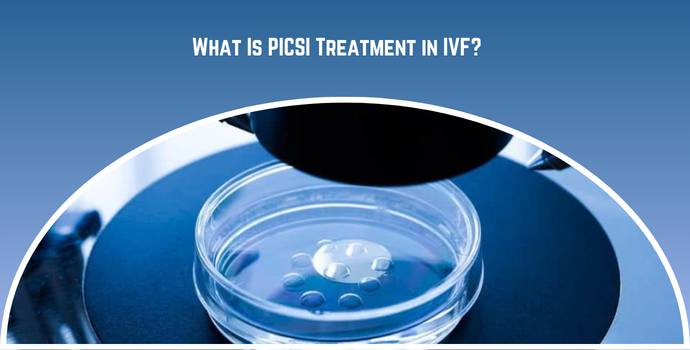
PICSI stands for Physiological Intracytoplasmic Sperm Injection. It is an advanced sperm selection method used alongside IVF where hyaluronic acid, a substance naturally found around the egg, is used to identify the most mature sperm with intact DNA. Only sperm that bind to it are selected for injection. The goal is to mimic what happens during natural fertilisation and pick sperm that the body itself would have chosen, which can improve embryo quality and reduce the chance of miscarriage.
According to Dr. Hrishikesh Pai, one of the leading IVF Doctor in Delhi, “Standard ICSI lets the embryologist choose sperm based on appearance. PICSI adds a biological filter on top of that. It does not replace ICSI. It refines the selection step where it matters most.”
How does PICSI differ from standard ICSI?
Both involve injecting a single sperm directly into the egg. The difference is entirely in how that sperm gets chosen. In standard ICSI, the embryologist picks sperm visually based on shape and movement. In PICSI, a biological test is added before that step.
|
Factor |
Standard ICSI |
PICSI |
|
Sperm selection |
Visual, based on shape and motility |
Hyaluronic acid binding + visual |
|
DNA integrity check |
None before injection |
Built into the selection process |
|
What it mimics |
Embryologist judgment |
Natural oocyte-sperm interaction |
|
Embryo quality |
Depends on sperm chosen |
Studies show potential improvement |
|
Miscarriage risk |
Standard IVF rates |
Some data suggests reduction |
|
Added cost |
Included in IVF cycle |
Modest additional fee |
The hyaluronic acid dish works as a filter. Mature sperm with properly formed membranes bind to it. Immature sperm with fragmented DNA do not. That binding step is what happens naturally when sperm reach the egg in the body, which is why the technique is called physiological. The largest trial on PICSI, published in The Lancet, found a significant reduction in miscarriage rates, though the effect on overall live birth rates remains under investigation. How standard ICSI is performed and when it is indicated is explained on the ICSI treatment page.
Who benefits from PICSI and when is it recommended?
PICSI is not needed for every ICSI cycle. It adds value in specific clinical situations where standard sperm selection may not be enough.
High sperm DNA fragmentation A DNA fragmentation index above 30% means a significant proportion of sperm carry damaged genetic material invisible under the microscope. PICSI filters these out before injection.
Repeated ICSI failures with poor embryo quality When semen analysis looks normal but embryos consistently arrest early or fragment, sperm DNA quality is a reasonable suspect. PICSI gives the lab an additional selection tool without moving to testicular sperm extraction.
Recurrent miscarriage after IVF When implantation happens but the pregnancy fails repeatedly in the first trimester, and chromosomal and uterine factors have been ruled out, sperm integrity becomes part of the conversation.
Unexplained poor outcomes or male age over 40 Some clinics offer PICSI as a default add-on in these cases, though the evidence base for routine use is still developing.
When sperm quality is the limiting factor in a cycle, a broader look at what may be going wrong is covered in this guide on IVF failure.
Why choose Dr. Hrishikesh Pai?
Dr. Hrishikesh Pai has been practising reproductive medicine for over 40 years now. MD, FRCOG (UK-HON), MSc (USA), FCPS, FICOG. He set up the Bloom IVF Group from scratch and the number has crossed 25,000 cycles at this point, across eight centres. Lilavati Hospital in Mumbai, DY Patil in Navi Mumbai, three Fortis locations in Delhi, Gurgaon and Mohali. The labs have moved to Life Whisperer AI for embryo grading because relying purely on visual assessment under the microscope has its limits.
PICSI is available across the Bloom IVF centres and is recommended based on the clinical picture, not offered as a blanket upsell.
Book a Consultation with Dr. Hrishikesh Pai to understand what PICSI treatment is in IVF and how it can be used to select the best quality sperm to optimize your chances of pregnancy.
Frequently Asked Questions
Is PICSI better than ICSI?
It is not a replacement. PICSI adds a biological selection layer to standard ICSI. It helps most when sperm DNA fragmentation is a concern or when previous ICSI cycles have produced poor embryos despite normal semen parameters.
Does PICSI increase IVF success rates?
Published data shows a reduction in miscarriage rates. The effect on overall live birth rates is promising but still being studied in larger trials.
How much does PICSI cost on top of IVF?
It adds a modest fee to the cycle, considerably less than the cost of IVF itself. The exact amount varies by centre.
Is PICSI available in India?
Yes. It is offered at several advanced IVF centres across the country, including the Bloom IVF Group.
References
- Physiological, hyaluronan-selected intracytoplasmic sperm injection for infertility treatment (HABSelect): a parallel, two-group, randomised trial – The Lancet / PMC
- Does physiological intracytoplasmic sperm injection improve outcome in men with abnormal semen parameters: a retrospective cohort study – National Library of Medicine (PMC)